What to Track When Evaluating Progress With Chiropractic Care
Chiropractic adjustment benefits and outcomes are best evaluated by tracking pain patterns, range of motion, daily activities, function, and recovery after care; Arrowhead Clinic Chiropractor Hinesville uses these changes to guide chiropractic adjustments, therapeutic exercise, and physical therapy.
Request an EstimateWhich Changes Show That Chiropractic Care Is Helping?
Chiropractic care is helping when symptoms become more manageable, movement becomes easier, daily activities improve, and recovery becomes more consistent. Arrowhead Clinic Chiropractor Hinesville reviews these changes with you instead of relying on pain relief alone.
Pain may change before function improves, so we look at the full pattern. We also consider range of motion, movement quality, activity tolerance, and how well you recover between visits.

Track Pain Patterns Instead of Pain Alone
Pain progress is clearer when you track intensity, frequency, triggers, and symptom location. A symptom log can show whether discomfort is becoming less frequent, easier to manage, or less connected to certain movements.
Write down what you were doing before symptoms began and how long they lasted. We use these pain patterns to understand your response to a chiropractic adjustment and to decide whether the care plan needs adjustment.
Can Chiropractic Adjustments Improve Range of Motion?
Yes, chiropractic adjustments can support improved range of motion when restricted movement is related to joint mobility, surrounding muscle tension, or movement sensitivity.
Range of motion describes how freely a joint or area of the spine moves. We observe movement quality and comfort during relevant tasks, then use the findings to guide manual adjustment, mobility work, or exercise.
Improved movement should also carry into daily activities. A change that appears during an assessment but does not help function deserves further review.
Measure Daily Function and Activity Tolerance
Daily function shows whether changes in symptoms are helping you live and work more comfortably. Track walking, lifting, sitting, work tasks, recreation, and other activities that matter to your goals.
Note what you can do comfortably, what causes symptoms, and how well you recover afterward. We use this activity tolerance information to connect treatment response with practical progress.
Is Soreness Normal After a Chiropractic Adjustment?
Yes, mild short-term soreness can occur after a chiropractic adjustment, but worsening, persistent, or concerning symptoms should be reported to Arrowhead Clinic Chiropractor Hinesville for review.
Post-adjustment soreness should be tracked with its location, intensity, and effect on movement. We compare that symptom response with your usual recovery pattern and adjust care when the response does not fit your goals.
When Chiropractic Adjustments and Therapeutic Exercise Work Together
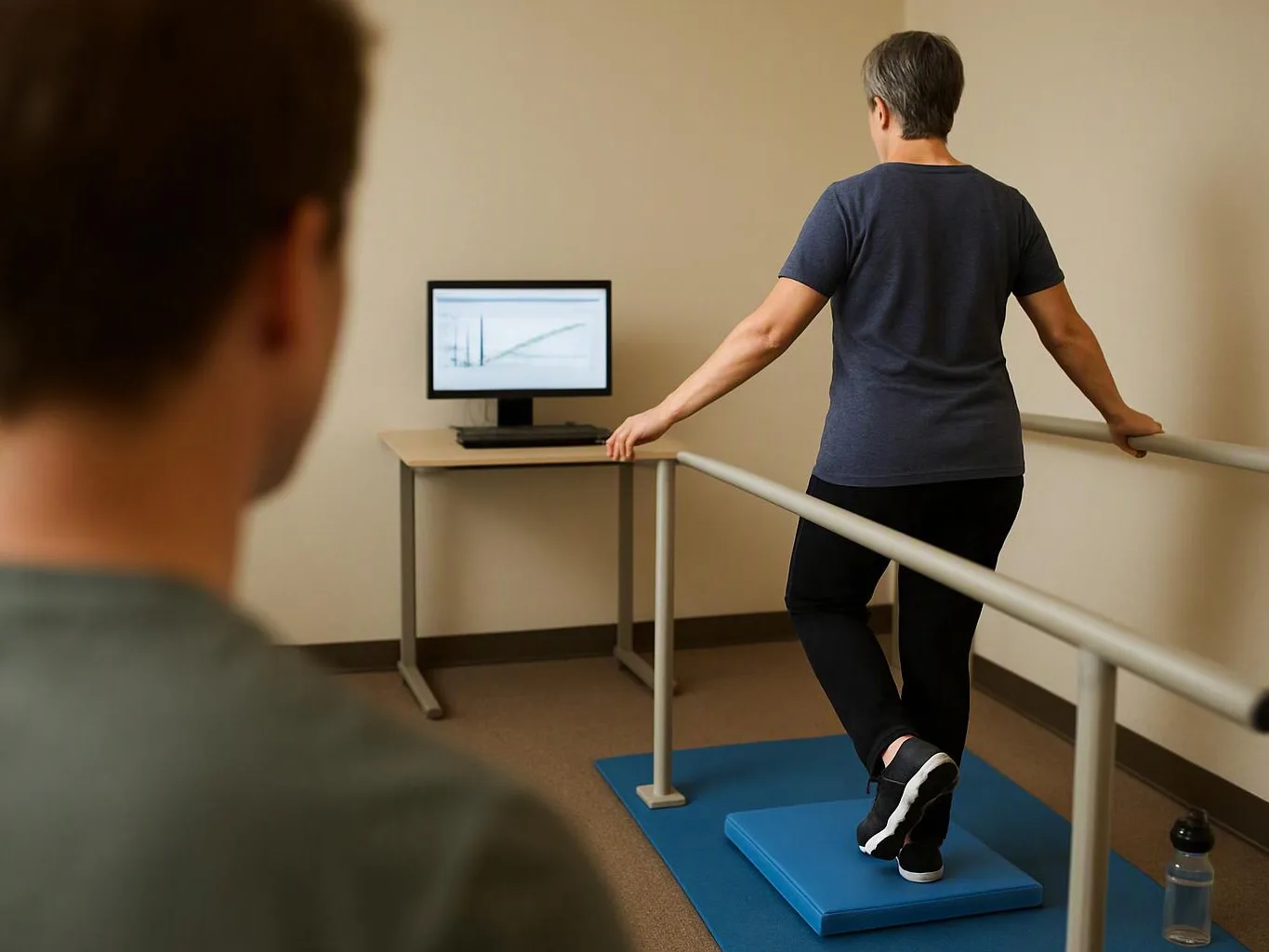
Chiropractic adjustments and therapeutic exercise can support different parts of movement-based rehabilitation. We coordinate them around your symptoms, movement limits, and functional goals.
We change the exercise plan when a movement increases symptoms or does not support your functional goals. The purpose is coordinated progress, not adding activity without a clear reason.
How Adjustments, Exercise, and Physical Therapy Support One Another
Chiropractic adjustments, therapeutic exercise, and physical therapy can support functional rehabilitation through different but related steps. Adjustments may address joint movement, exercise may build movement control and strength, and physical therapy may add structured rehabilitation for specific limitations.
Our team reviews the care sequence so each part supports the next. The plan may change as movement improves, symptoms settle, or functional goals become more demanding.
Care coordination also helps limit unnecessary overlap. We focus on the treatment response and the activities you need to perform safely and comfortably.
When You May Need Adjustments and Exercise Together
Chiropractic adjustments and therapeutic exercise work well together when joint movement and active control both affect your progress. We use the combination when it matches your symptoms and functional goals.
Cost depends on the services included, the level of assessment, and the plan selected for your goals. We explain what the recommended care includes and how to request an exact quote from us.
Review Your Progress With a Consistent Tracking Method
A consistent tracking method makes symptom changes easier to compare across visits. Use the same basic questions each time so your treatment response remains clear.
Progress tracking does not need to be complicated. Clear notes about meaningful activities often provide more useful information than focusing on a single symptom reading.
What We Review When Evaluating Chiropractic Outcomes
Arrowhead Clinic Chiropractor Hinesville reviews chiropractic outcomes through your patient goals, symptom response, movement, daily function, and recovery pattern. We connect those findings to the care plan so treatment remains focused on useful progress.
Our team considers whether your activities are becoming easier, whether movement is more controlled, and whether symptoms are less disruptive. We also review how you respond after an adjustment and how well you perform recommended exercises.
To discuss your progress with our team, use the contact option below. We offer Free Consultations as supplied by our clinic.
Questions About Tracking Chiropractic Progress
What should I write down after a chiropractic adjustment?
Arrowhead Clinic Chiropractor Hinesville recommends recording symptom location, triggers, movement changes, daily activity, and recovery after the adjustment.
How do I know if my range of motion is improving?
Range of motion is improving when the same meaningful movements feel easier, smoother, or less limited during daily activities.
What symptoms should I report after a chiropractic adjustment?
Worsening, persistent, or concerning symptoms after a chiropractic adjustment should be reported to our team for review.
Can exercise help maintain progress from chiropractic care?
Yes, therapeutic exercise can help maintain progress by supporting joint mobility, movement control, muscle strength, and daily function.