Scoliosis Concerns: Signs to Discuss With a Provider
Scoliosis evaluation begins with symptoms, a physical assessment, and appropriate spinal imaging; Arrowhead Clinic Chiropractor Hinesville reviews posture changes, uneven body alignment, and back discomfort to help clarify the next step.
Request an EstimateWhat Signs Can Suggest Scoliosis?
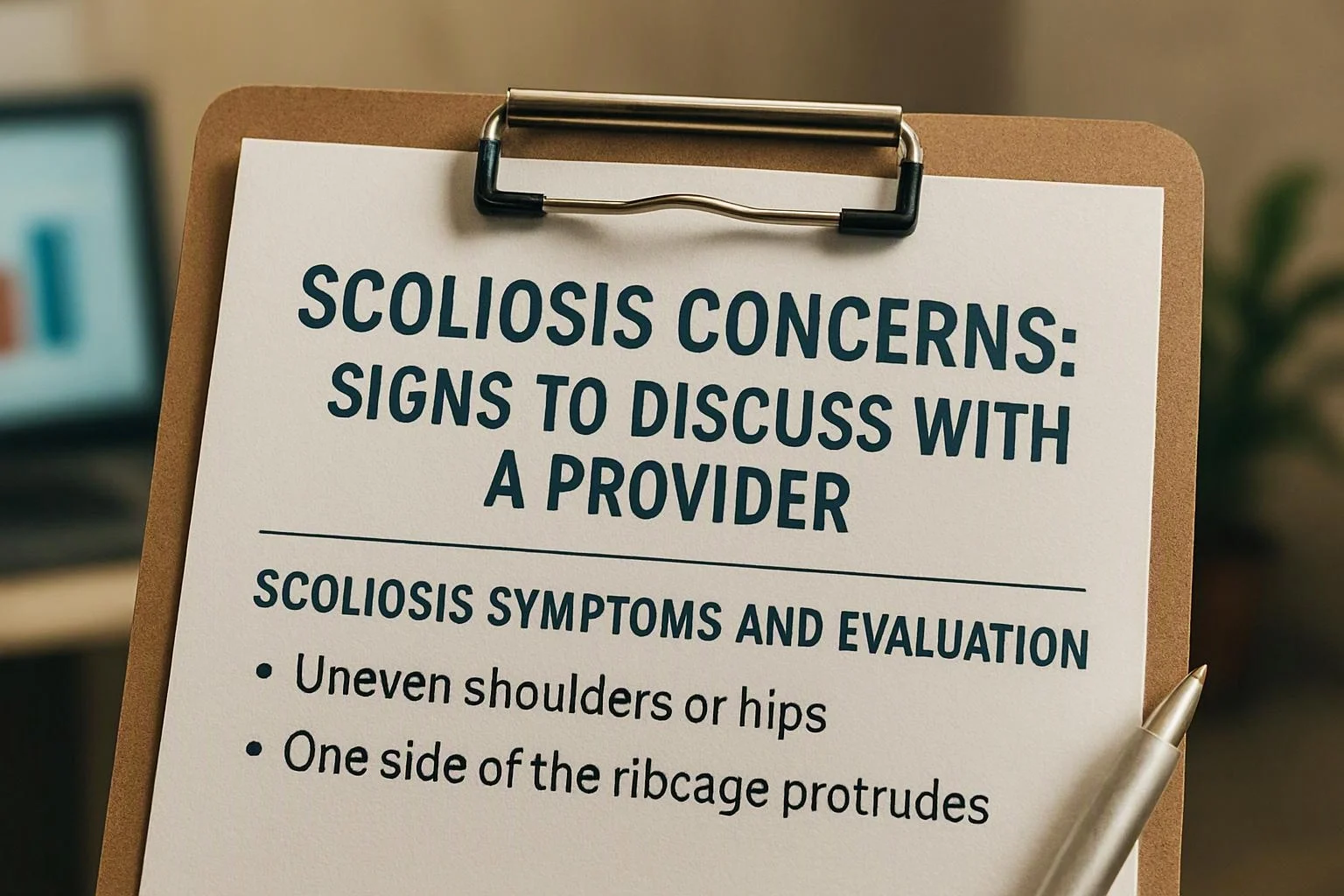
Scoliosis signs can include uneven shoulders or hips, a prominent shoulder blade, visible spinal curvature, posture changes, and back discomfort. We look at how these signs appear during standing and movement.
Can Scoliosis Cause Back Pain?
Yes, scoliosis can be associated with back pain or muscle fatigue, although some people have spinal curvature without noticeable symptoms.
Adult scoliosis may become more noticeable when spinal alignment changes over time or when the back muscles work harder to support an uneven posture. We connect reported back pain with movement findings instead of judging the curve by appearance alone.
What Can Contribute to Scoliosis?
Scoliosis can be associated with unknown causes, spinal development differences, neuromuscular conditions, or age-related changes. Our clinical evaluation helps organize the concern and identify findings that may need further medical review.
How Is Scoliosis Evaluated?
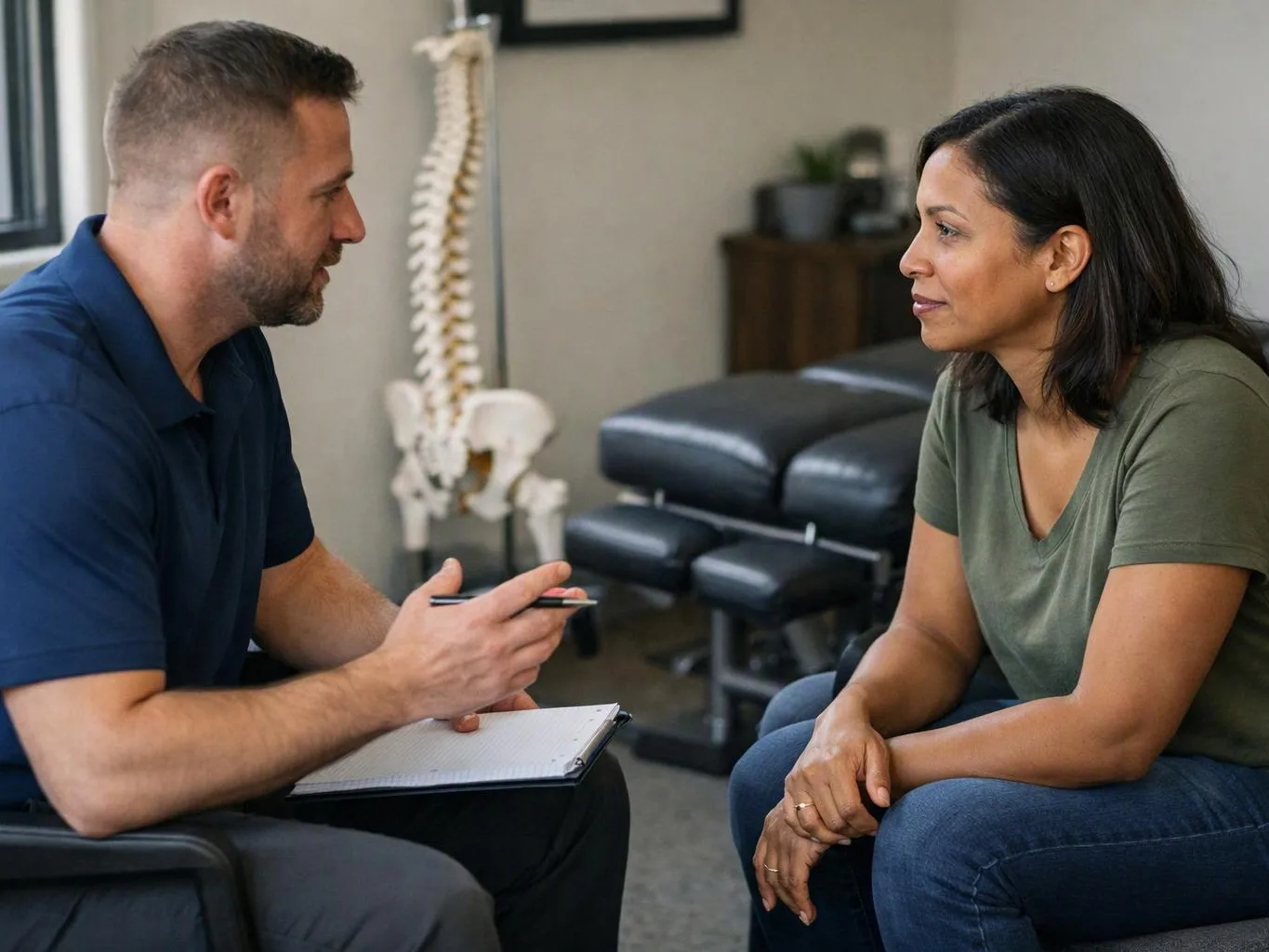
Scoliosis evaluation combines symptom history, posture and movement assessment, and imaging when spinal alignment needs clearer examination. We review your concerns, observe movement, and consider whether X-Ray Imaging is appropriate for the clinical findings.
A clinical evaluation does not rely on one observation. We consider range of motion, muscle balance, neurological symptoms, and the way discomfort relates to daily movement.
What Happens During a Scoliosis Assessment?
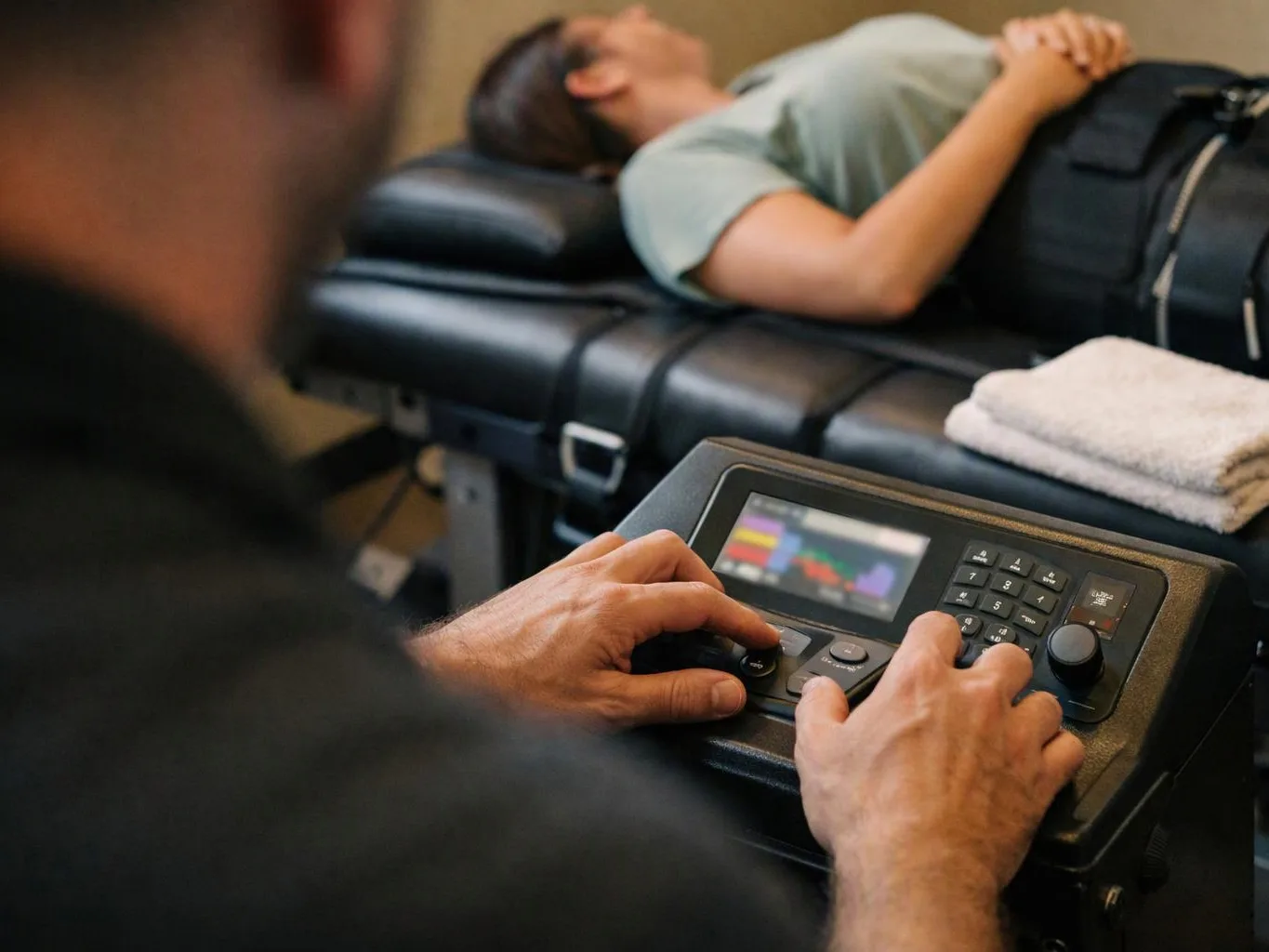
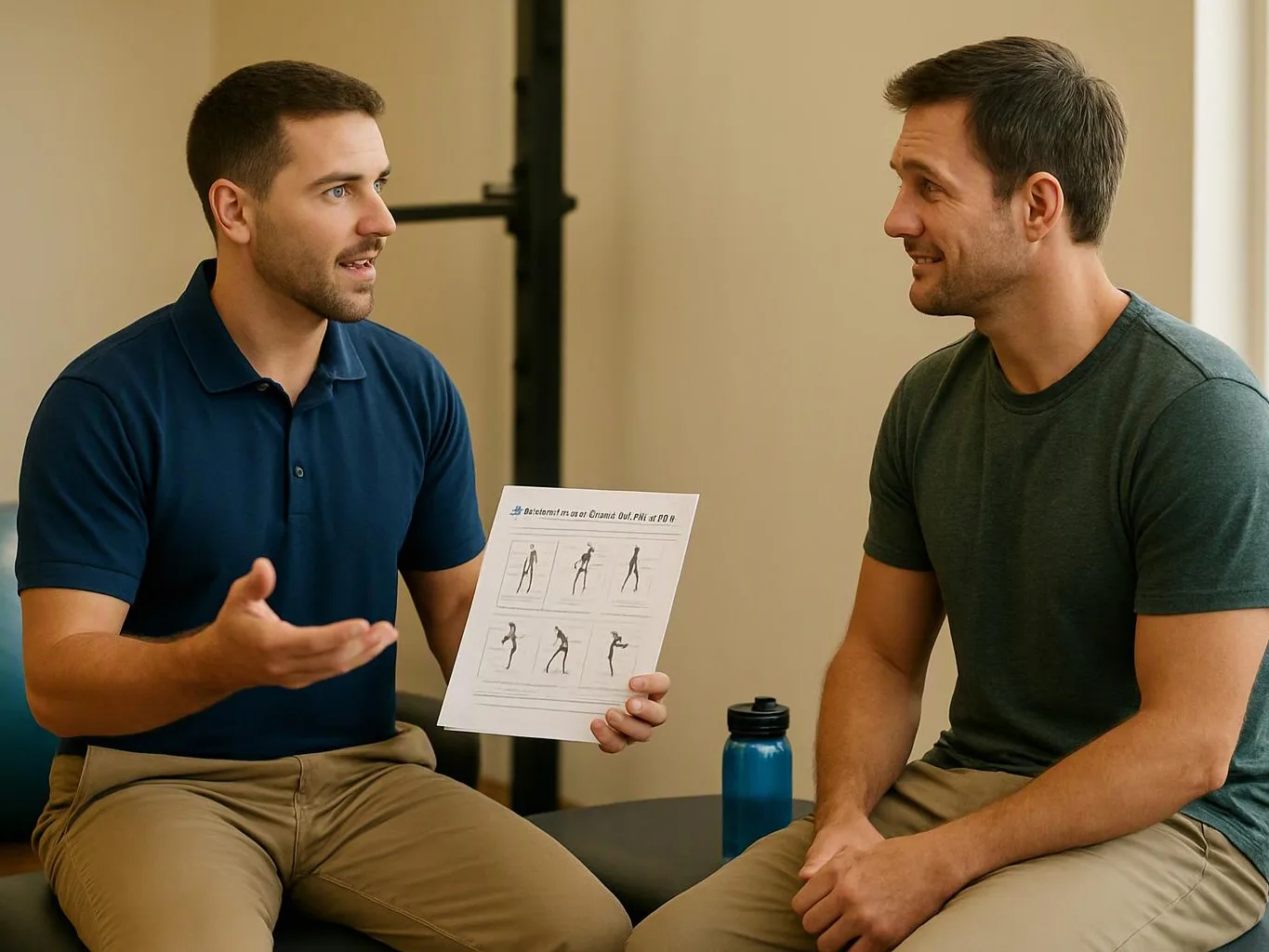
A scoliosis assessment examines posture, shoulder alignment, hip alignment, spinal movement, muscle balance, and neurological signs. We may ask about symptom history, activities that affect discomfort, and changes you have noticed over time.
Our team uses these findings to understand whether the concern appears related to movement, alignment, or a possible structural curve. New or concerning neurological findings may require coordination with medical care.
When Can X-Ray Imaging Help?
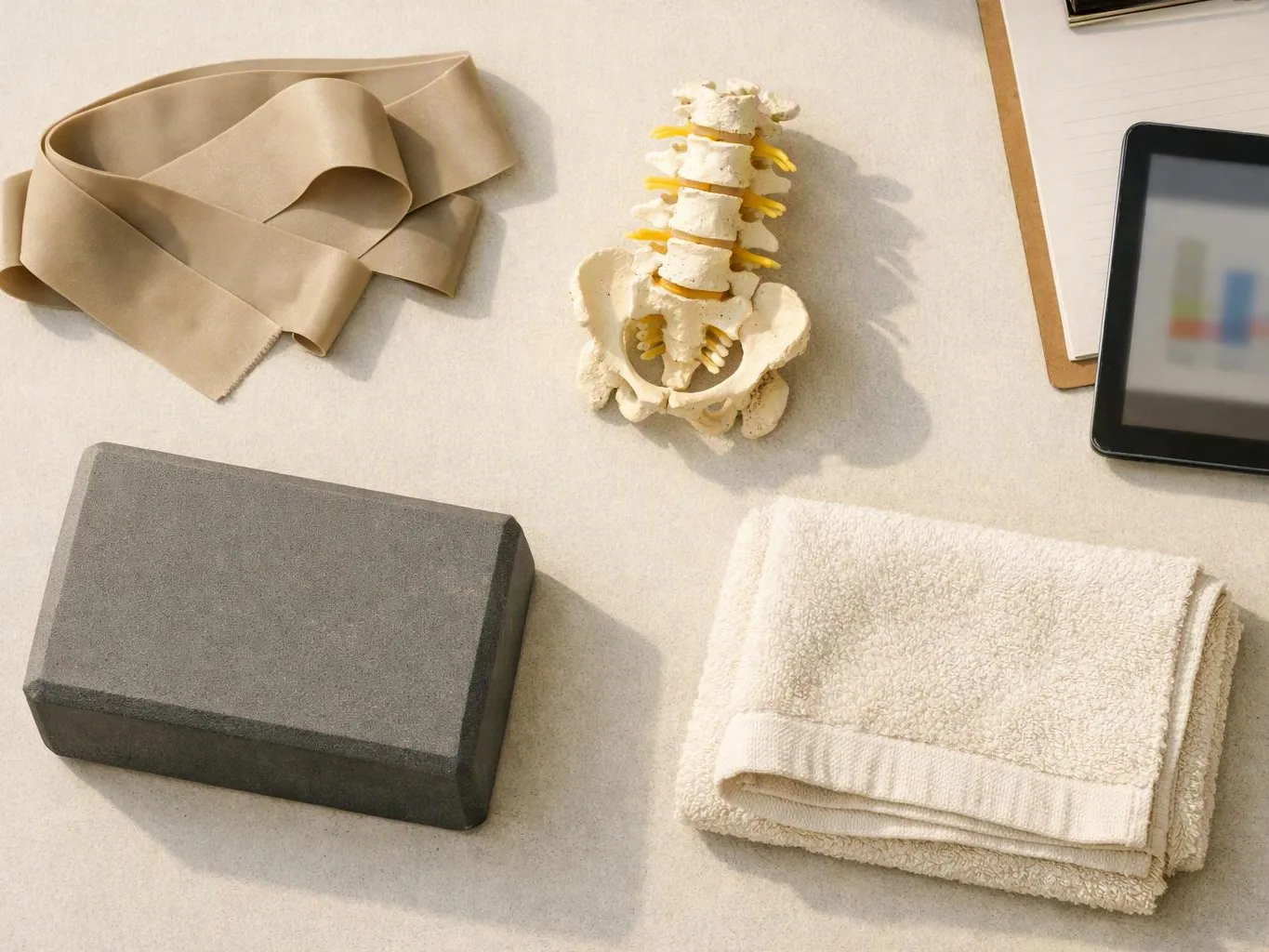
X-Ray Imaging can help show spinal curvature, vertebrae, and structural alignment when clinical findings call for a clearer view. We discuss imaging when a picture of the spine may add useful information to the assessment.
Imaging findings are considered alongside symptoms and the physical examination. X-ray results alone do not explain every source of back discomfort.
When Should Scoliosis Symptoms Be Evaluated?
Scoliosis symptoms should be evaluated when posture changes persist, discomfort continues, or symptoms such as weakness, numbness, or coordination changes appear.
Persistent back pain and progressive posture change deserve attention because they may reflect a changing alignment concern. New weakness, numbness, loss of coordination, or other neurological symptoms call for prompt medical evaluation.
We use scoliosis screening and clinical assessment to decide what information is useful next. We also explain when another medical evaluation may be needed.
What Can Support Healthy Spinal Posture?
Posture-supporting habits can improve movement awareness and comfort, but they do not replace an evaluation of a suspected spinal curve. We help you connect daily movement habits with your care goals.
What Should You Ask About Scoliosis Treatment?
Scoliosis Treatment questions should address how the assessment relates to your symptoms, whether imaging is appropriate, what treatment goals are realistic, and how progress will be reviewed.
Questions to Bring to an Evaluation
Questions about symptom history, spinal alignment, treatment options, home care, and follow-up care can make an evaluation more useful. Write down when symptoms began, what changes them, and whether weakness or numbness has appeared.
How Arrowhead Clinic Chiropractor Hinesville Helps With Scoliosis Concerns
Arrowhead Clinic Chiropractor Hinesville evaluates scoliosis concerns, explains relevant findings, and connects appropriate care options with each person’s symptoms and goals.
We begin with a clinical assessment that includes posture, movement, alignment, and symptom history. When X-Ray Imaging may clarify the concern, we discuss how it could contribute to care planning.
Our team can also discuss Scoliosis Treatment and Posture Correction as part of a plan focused on comfort, movement, and realistic treatment goals.
Questions About Scoliosis Concerns
Can scoliosis develop without back pain?
Yes, scoliosis can develop without back pain, and Arrowhead Clinic Chiropractor Hinesville can assess visible alignment changes even when discomfort is not present.
Can poor posture cause scoliosis?
Poor posture does not explain every spinal curve, although uneven posture can affect how alignment looks and how the body moves. We assess posture alongside spinal movement and other clinical findings.
What does a scoliosis X-ray show?
A scoliosis X-ray can show spinal curvature, vertebrae, and structural alignment. We consider those findings with your symptoms and clinical assessment.
Can adults be evaluated for scoliosis?
Yes, adults can be evaluated for scoliosis when they notice posture changes, back pain, muscle fatigue, or concerns about spinal alignment.
What symptoms with scoliosis need prompt medical attention?
New weakness, numbness, loss of coordination, or other worsening neurological symptoms need prompt medical attention. We can help identify findings that call for medical follow-up.
Contact Arrowhead Clinic Chiropractor Hinesville to discuss your scoliosis concerns, clinical assessment, and care planning.
Get a Free Estimate