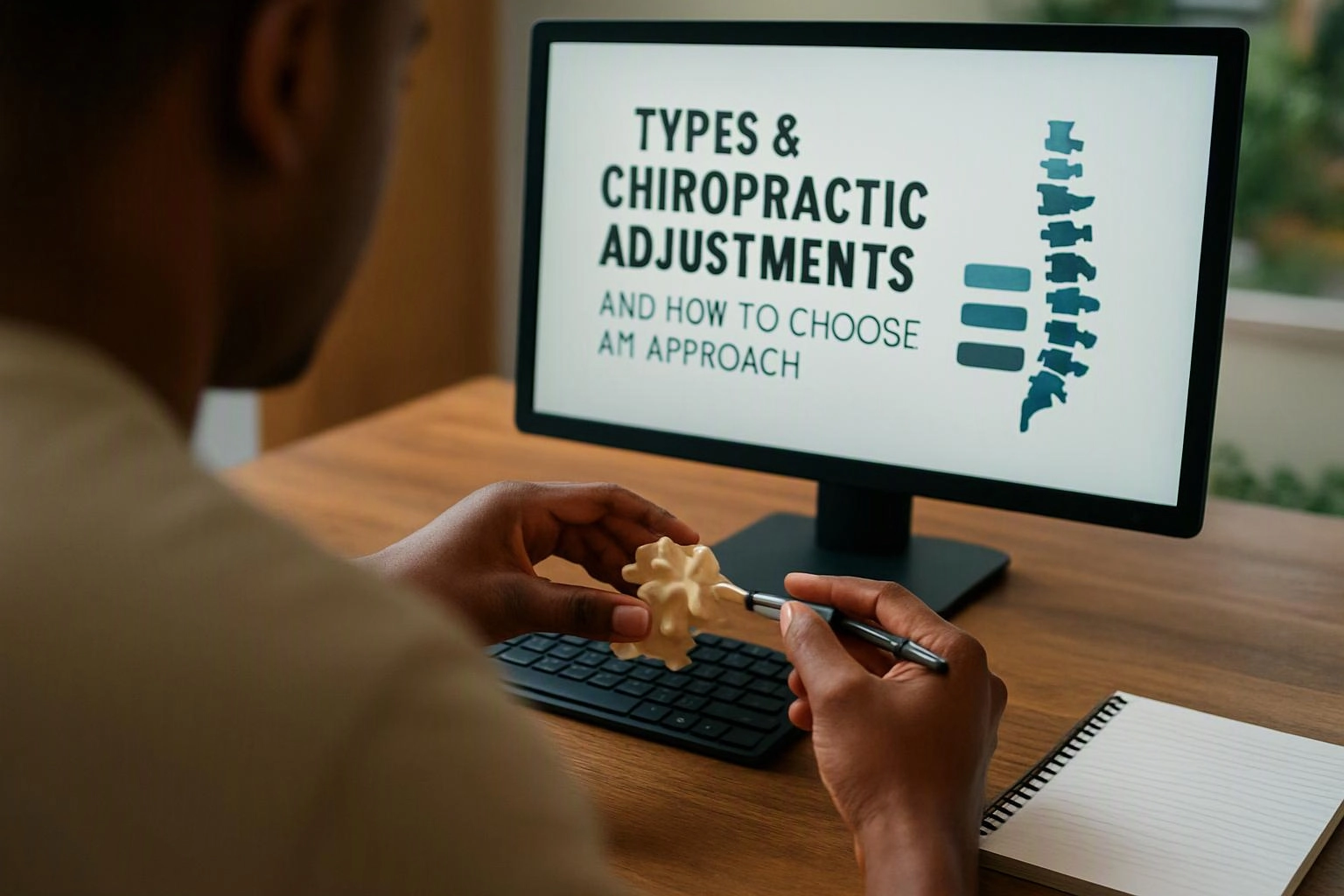
Types of Chiropractic Adjustments and How to Choose an Approach
Chiropractic adjustments include manual, instrument-assisted, and gentler techniques, and Arrowhead Clinic Chiropractor Hinesville selects an approach after considering your symptoms, preferences, and examination findings.
Request an EstimateWhat Are the Different Types of Chiropractic Adjustments?
Chiropractic adjustments are hands-on or instrument-assisted techniques that apply controlled force to targeted joints and related structures. A chiropractic adjustment may focus on a spinal joint, nearby muscles, or another area that affects movement.
A manual adjustment uses direct contact and guided joint movement. An instrument-assisted adjustment uses an adjusting instrument to deliver a controlled impulse. Both approaches are forms of spinal manipulation, and the suitable choice depends on the clinical findings and your comfort level.
How Do Chiropractic Adjustment Techniques Compare?
Chiropractic adjustment techniques differ by how force is delivered, how much direct contact is used, and which patient preferences or examination findings they accommodate. We use the examination to guide treatment selection instead of treating one technique as the right choice for everyone.
| Technique | How force is delivered | What it may accommodate |
|---|---|---|
| Manual adjustment | Direct, hands-on contact with controlled movement | Patients who prefer a hands-on technique and have findings that support it |
| Instrument-assisted adjustment | A handheld adjusting instrument delivers a targeted impulse | Patients who prefer less direct contact or a focused instrument-assisted approach |
| Activator Method | A handheld instrument provides a controlled, low-force impulse | A targeted adjustment guided by the examination |
| Gentle or low-force technique | Reduced force or limited joint movement, depending on the method | Patients who place a high value on comfort or have findings that call for a gentler approach |
These categories can overlap because an instrument-assisted method may also be a low-force technique. Our team explains the selected chiropractic technique before care begins.
Manual Chiropractic Adjustments
A manual adjustment is a hands-on technique that uses controlled contact to guide joint movement in a targeted spinal joint. The approach may involve positioning the body and applying a brief, directed force.
We consider joint mobility, the symptom pattern, and your response during the examination. We also explain what contact and movement to expect so you can share your comfort level.
Instrument-Assisted Chiropractic Adjustments
An instrument-assisted adjustment uses an adjusting instrument to deliver a low-force impulse to a targeted area. The method can limit direct hand contact while keeping the adjustment focused.
The Activator Method is one example of instrument-assisted chiropractic care. We select an instrument-assisted approach when it fits the physical examination, treatment goals, and patient preference.
Gentler and Low-Force Chiropractic Techniques
A gentle adjustment uses reduced force, limited movement, or another low-force technique to support patient comfort. The exact method depends on the area being assessed and the findings from the examination.
We can discuss a gentler treatment preference before care begins. Your comfort level matters, but the technique must also fit the clinical assessment and care plan.
What Is the Activator Method?
The Activator Method is an instrument-assisted chiropractic technique that uses a handheld adjusting instrument to deliver a controlled impulse to a targeted area. The impulse is directed to the area selected through the examination.
Activator adjusting instrument use may appeal to patients who prefer a focused approach with less direct hand contact. We still base the targeted adjustment on your health history, symptoms, and physical examination.
How Do We Choose an Adjustment Approach?
We choose an adjustment approach by reviewing your history, examining the relevant areas, and matching the technique to your findings and comfort preferences. Our process connects the symptom pattern with measurable movement and your treatment goals.
This process helps us match the adjustment style to the person, not just to the name of a condition. We also discuss other evaluation questions when the clinical assessment calls for them.
Which Chiropractic Adjustment Is Right for You?
The right chiropractic adjustment is the technique that fits your examination findings, goals, comfort level, and response to care. Manual, instrument-assisted, and gentle techniques can each be appropriate when they match the clinical assessment.
Treatment selection is not based only on whether a method is popular or familiar. We explain the reason for the recommended approach and connect it to the findings that guide your care.
You can learn more about our Chiropractic Adjustments service before scheduling a consultation.
What Should You Ask Before Choosing an Adjustment Technique?
Before choosing an adjustment technique, ask how the approach supports your goals and how it fits the examination findings. Clear questions help you understand the care plan and communicate your comfort level.
We welcome these questions during the consultation. Your answers help us keep the adjustment approach clear and suited to your needs.
How Can You Discuss Chiropractic Adjustments With Our Team?
You can discuss your symptoms, treatment preferences, and adjustment options with our team during a consultation before care begins. We use that conversation with your health history and physical examination to shape the adjustment approach.
Bring questions about manual adjustments, instrument-assisted care, the Activator Method, or gentle techniques. Arrowhead Clinic Chiropractor Hinesville can explain the recommended Chiropractic Adjustments and help you decide whether the approach matches your comfort level and goals.
Contact our team to discuss your adjustment options with Arrowhead Clinic Chiropractor Hinesville.
Questions About Chiropractic Adjustment Choices
Does a chiropractic adjustment always involve cracking?
No, a chiropractic adjustment does not always involve cracking. Arrowhead Clinic Chiropractor Hinesville may use manual, instrument-assisted, or gentle techniques that do not create that sensation.
Can I request a gentler chiropractic adjustment technique?
Yes, you can request a gentler chiropractic adjustment technique. We consider your preference alongside the physical examination and select an approach that supports both comfort and appropriate care.
What should I tell the chiropractor before an adjustment?
Tell the chiropractor about your health history, current symptoms, symptom pattern, treatment goals, and comfort concerns before an adjustment. We use those details to guide the examination and adjustment approach.
How do I know whether manual or instrument-assisted adjustment is appropriate?
The physical examination, range of motion, symptom pattern, treatment goals, and patient preference help determine whether manual or instrument-assisted adjustment is appropriate. We explain the reasoning before care begins.