How is a herniated disc evaluated before treatment?
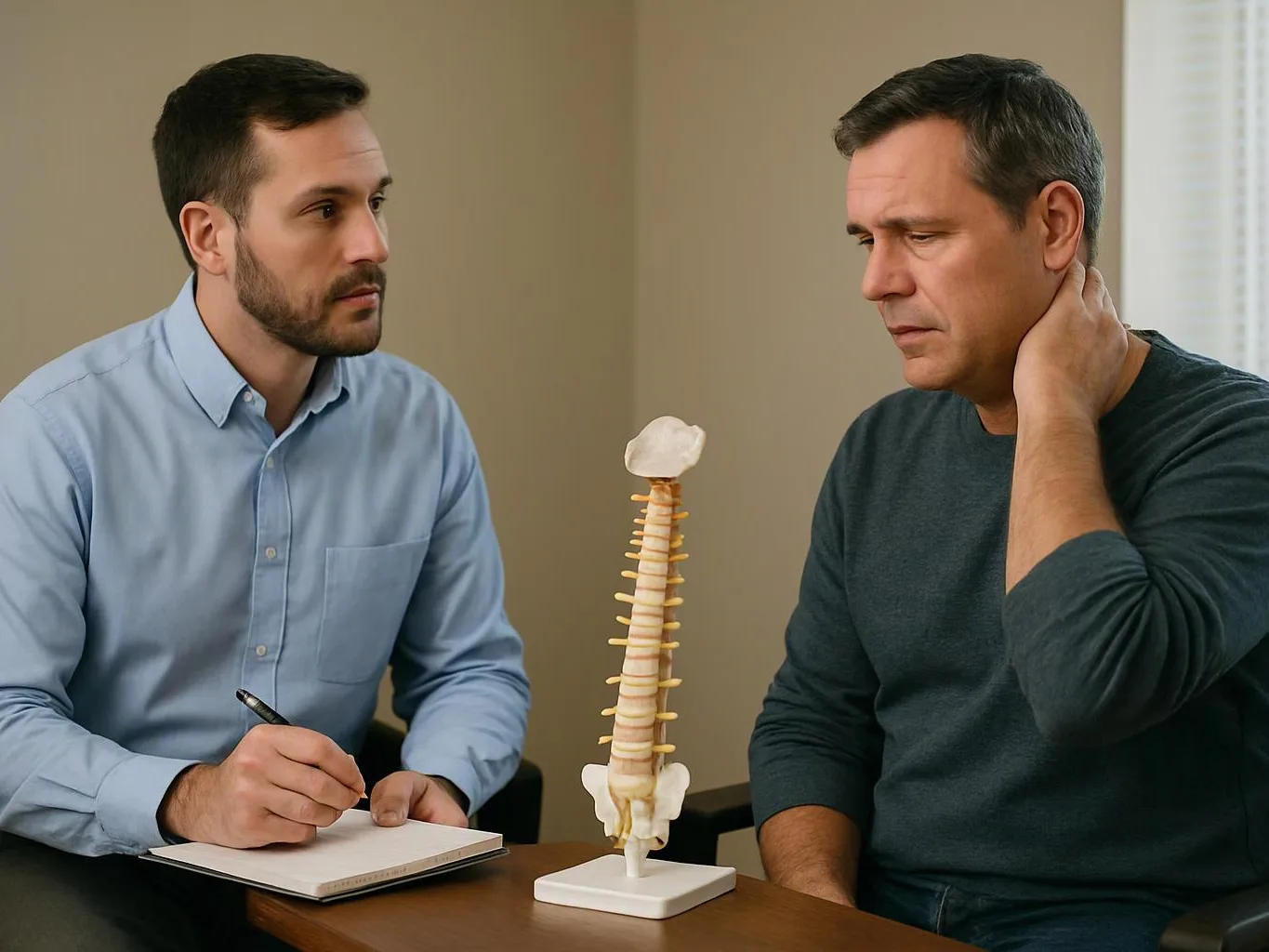
Arrowhead Clinic Chiropractor Hinesville evaluates a herniated disc concern through nerve assessment, medical history, physical examination, and movement testing. The visit reviews symptom patterns, posture, spinal motion, and daily limits. X-ray imaging may be considered when clinically indicated. These findings guide the treatment plan and help identify cases that need another medical service.
What should be checked before care is scheduled?
The health history and physical examination should be checked before care is scheduled. We review prior injuries, symptom changes, movement limits, and relevant medical records. The examination also considers posture and spinal function. Sudden weakness, loss of bladder or bowel control, or severe trauma needs prompt medical attention.
Who is a good fit for this type of care?
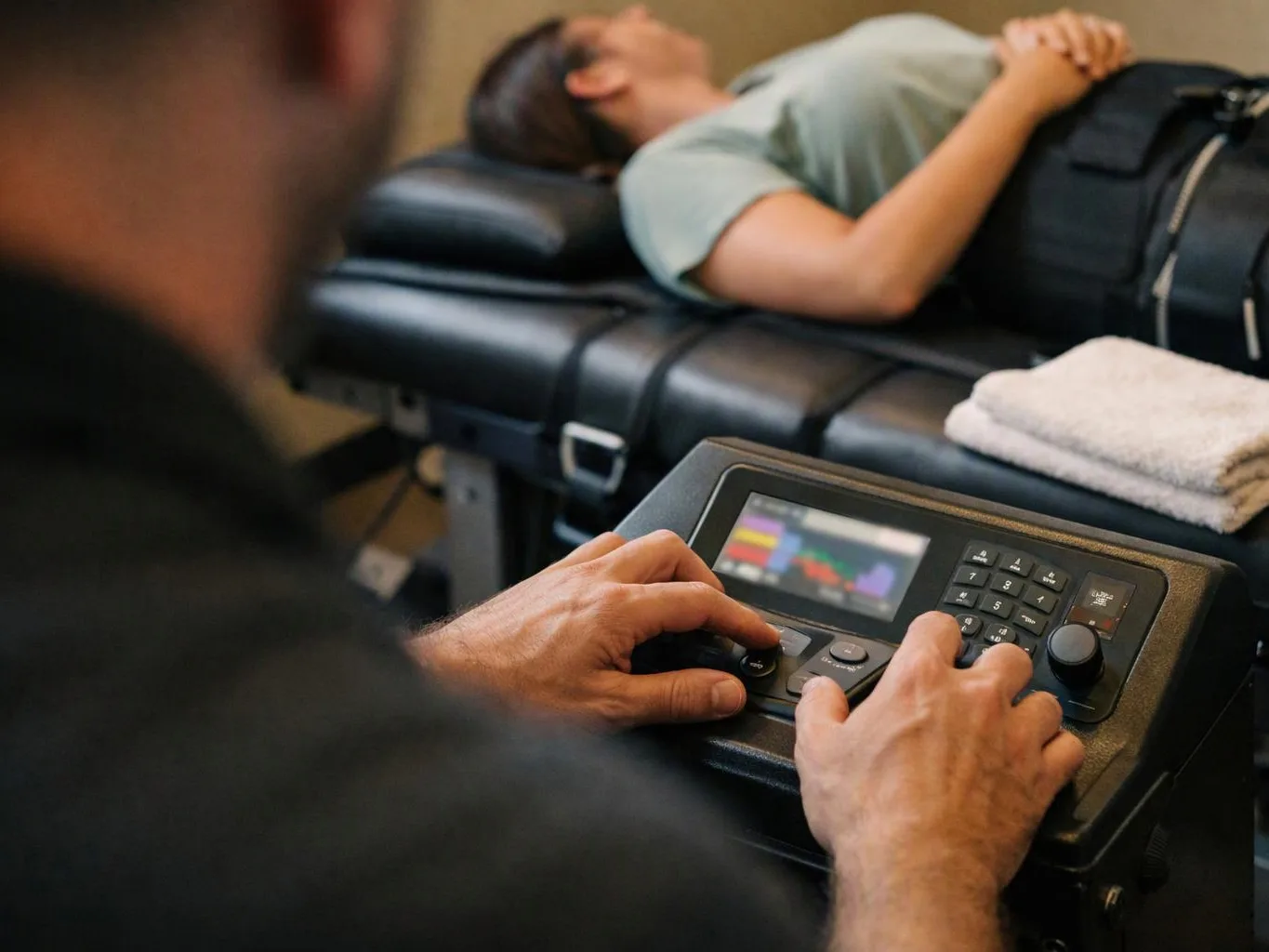
Patients with disc-related back pain, sciatica, or movement limits may fit this care after an examination. Our team reviews each case before selecting adjustments or exercises. Severe neurological changes, major trauma, or symptoms outside chiropractic scope may need another medical service. Individual response differs.
What happens during the first chiropractic visit?
The first visit includes a new patient intake, health history, and physical examination. We discuss symptoms, past injuries, posture, and movement limits. X-rays may be considered when clinically indicated. The report of findings then explains suitable care options and expectations.
Which records should I bring to an appointment?
Relevant medical records, imaging reports, and a list of current medicines can help guide the consultation. Patients should also note when symptoms began and which movements change them. Workers' compensation paperwork may matter when an injury relates to work. Our team reviews the information during intake.
When might X-ray imaging be considered?
X-ray imaging may be considered when the clinical findings make it useful for the assessment. X-rays show bone structure, but they do not explain every disc or nerve symptom. We combine imaging, health history, and physical findings before setting a plan.
Why can pain continue after a disc concern is found?
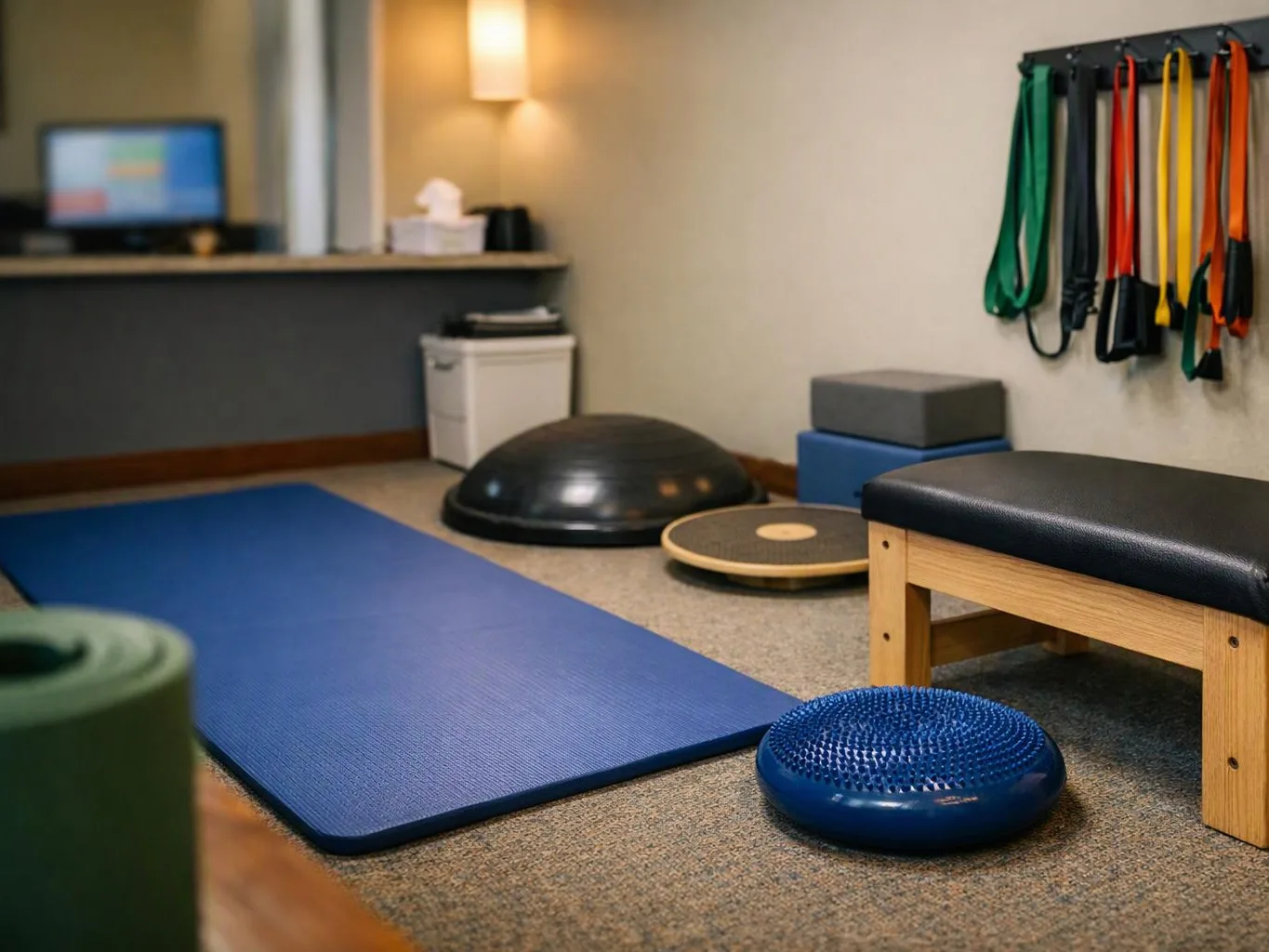
Pain can continue when movement limits, posture strain, nerve irritation, or another condition remains active. The progress review checks whether symptoms and function are changing. We may adjust the plan, add corrective exercises, or discuss another medical evaluation when the findings call for it.