What methods support posture correction?
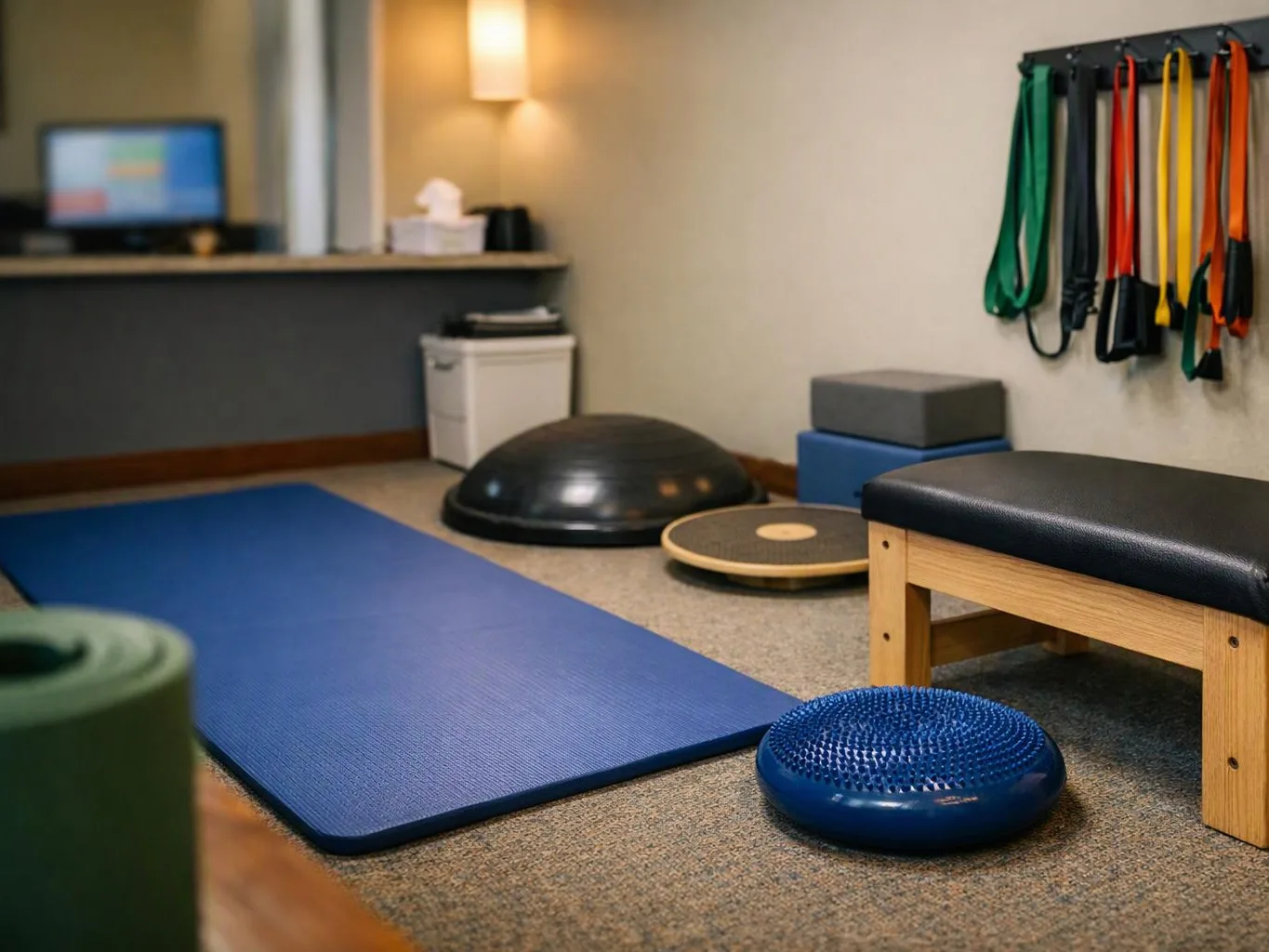
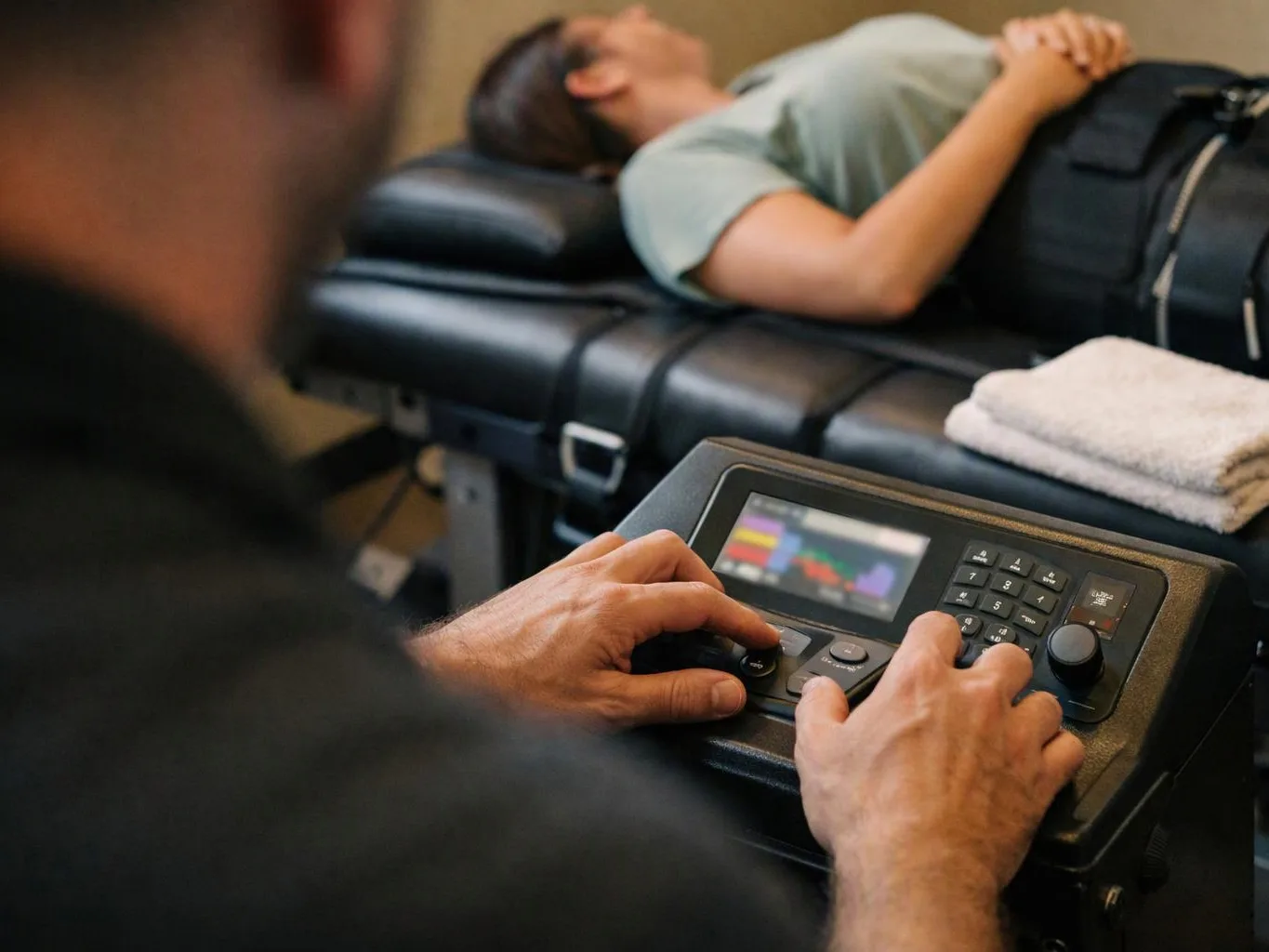
Postural exercises support posture correction by building movement control and body awareness. Other methods may include ergonomic adjustments, core strengthening, mobility drills, spinal awareness, and suitable chiropractic adjustments. We choose the mix after reviewing your health history, posture, range of motion, and symptoms. Individual response differs, so the plan can change as your movement needs change.
What does the team look at first during posture care?
The first review covers your health history, symptoms, posture, movement limits, and daily activities. We ask how work, driving, exercise, or device use affects your position. The exam may include range-of-motion checks and spinal alignment review. These findings guide the report of findings and the treatment options we discuss.
What should be checked before posture care is scheduled?
A health history and symptom review should come before posture care is scheduled. Bring relevant imaging, injury details, and a list of activities that increase discomfort. Red flags or symptoms outside a posture concern need medical attention before exercise or adjustment choices. Our consultation helps decide whether this service fits your needs.
Who is a good fit for posture correction, and who needs a different service?
People with posture concerns, movement limits, or recurring strain may fit posture-focused care. Severe or unexplained symptoms need medical evaluation before this type of plan. We review your health history, symptoms, and movement before recommending care. The right next step may include chiropractic treatment, another health service, or both.
Which daily habits can ergonomic changes address?
Ergonomic changes address repeated sitting, standing, screen use, lifting, and work positions that place strain on the body. We discuss how your setup affects head, shoulder, hip, and spine position. Small changes can support the exercise plan, but they don't replace an assessment when pain, numbness, or weakness is present.
When should someone seek care for posture-related neck pain?
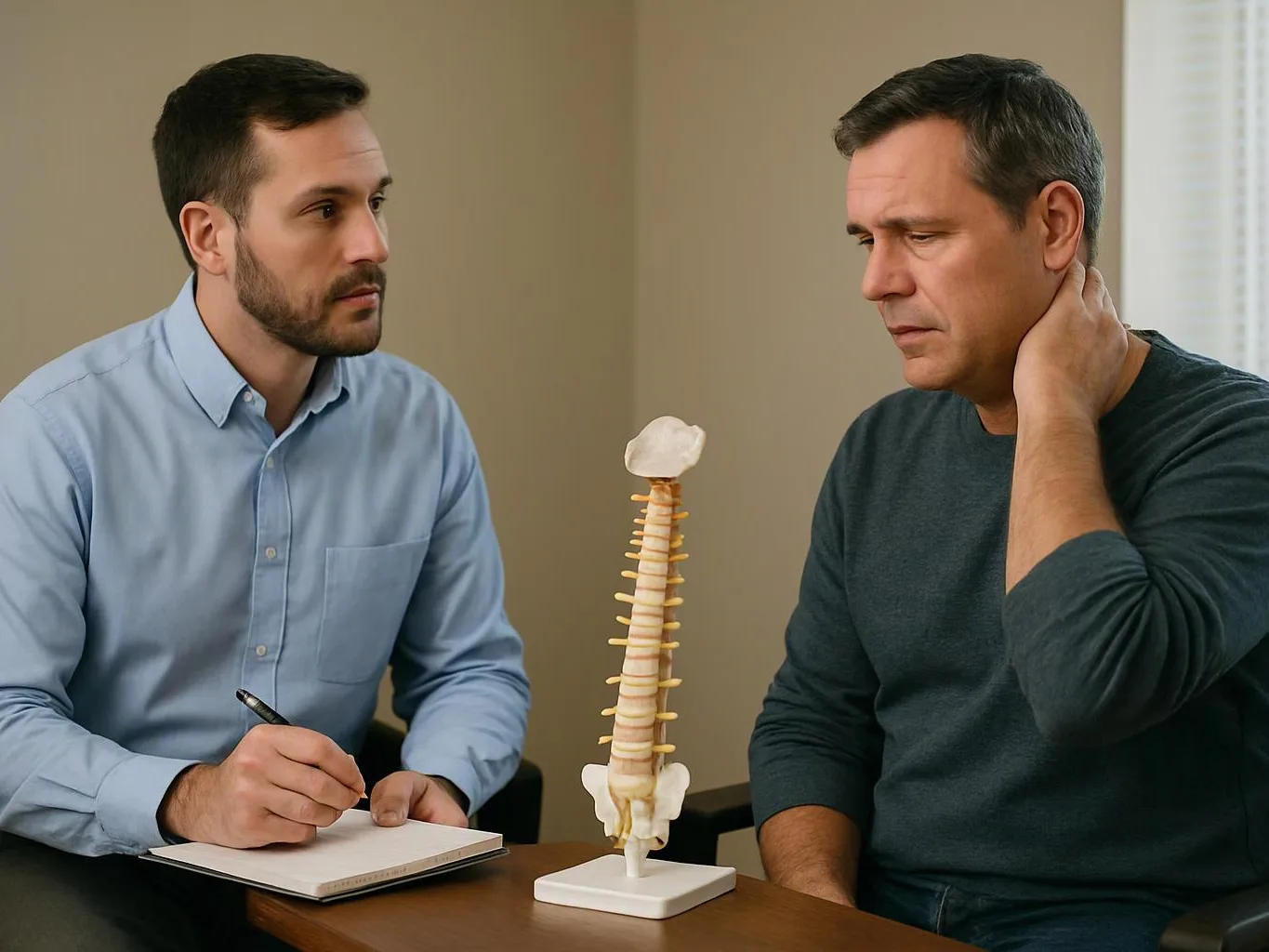
Neck pain that keeps returning, limits movement, or affects daily tasks deserves an assessment. We review posture, range of motion, health history, and related symptoms before choosing care. Sudden severe symptoms, weakness, numbness, or symptoms after a serious injury need prompt medical evaluation rather than routine posture work.
How does a first chiropractic visit support posture goals?
A first visit connects your symptoms and daily movement with findings from a health history and exam. We discuss posture, spinal alignment, range of motion, and activities that affect comfort. The report of findings then explains suitable treatment options, corrective exercises, and wellness guidance for your goals.