How is scoliosis assessed before treatment begins?
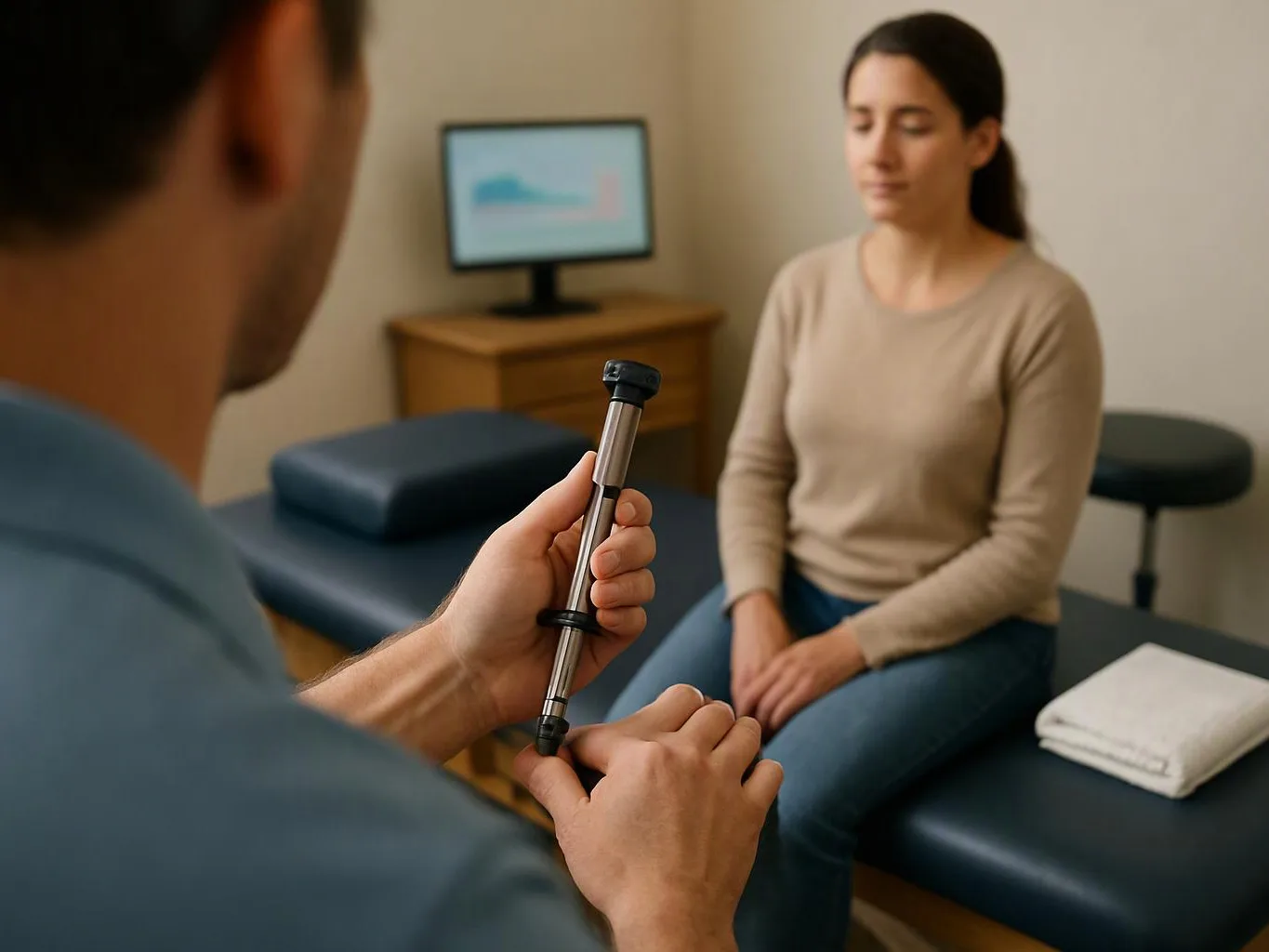
Postural screening starts the assessment, and Arrowhead Clinic Chiropractor Hinesville then reviews spinal alignment, range of motion, growth history, and symptoms. The health history helps place the findings in context. X-ray imaging may be considered when the exam supports it. We explain the findings and suitable care options before treatment begins.
What should I bring to a first visit?
Previous imaging, medical records, medication details, and a list of symptoms can help the first visit. The new patient intake also covers health history, past injuries, activity, and growth concerns. Bring questions about posture or movement so the assessment can address the issues that matter most to you.
Which part of the assessment decides the care scope?
The clinical exam decides the care scope by combining posture, spinal alignment, range of motion, symptoms, and health history. A visible curve alone does not set the plan. Imaging may add useful detail when the findings support it, while urgent symptoms may require medical care before chiropractic treatment.
When should a child receive an assessment?
A child should receive an assessment after noticeable posture changes, ongoing back discomfort, uneven shoulders, or concerns during growth. The visit reviews growth history and movement without assuming that appearance confirms scoliosis. Parents should share prior records and ask whether additional medical evaluation is needed.
Why might X-ray imaging be considered?
X-ray imaging may be considered when the clinical exam needs more information about bone structure or spinal alignment. It is not automatic for every visit. Our team reviews the reason for imaging and explains how the result could affect the care plan.
How does a visit move from the first call to the last step?
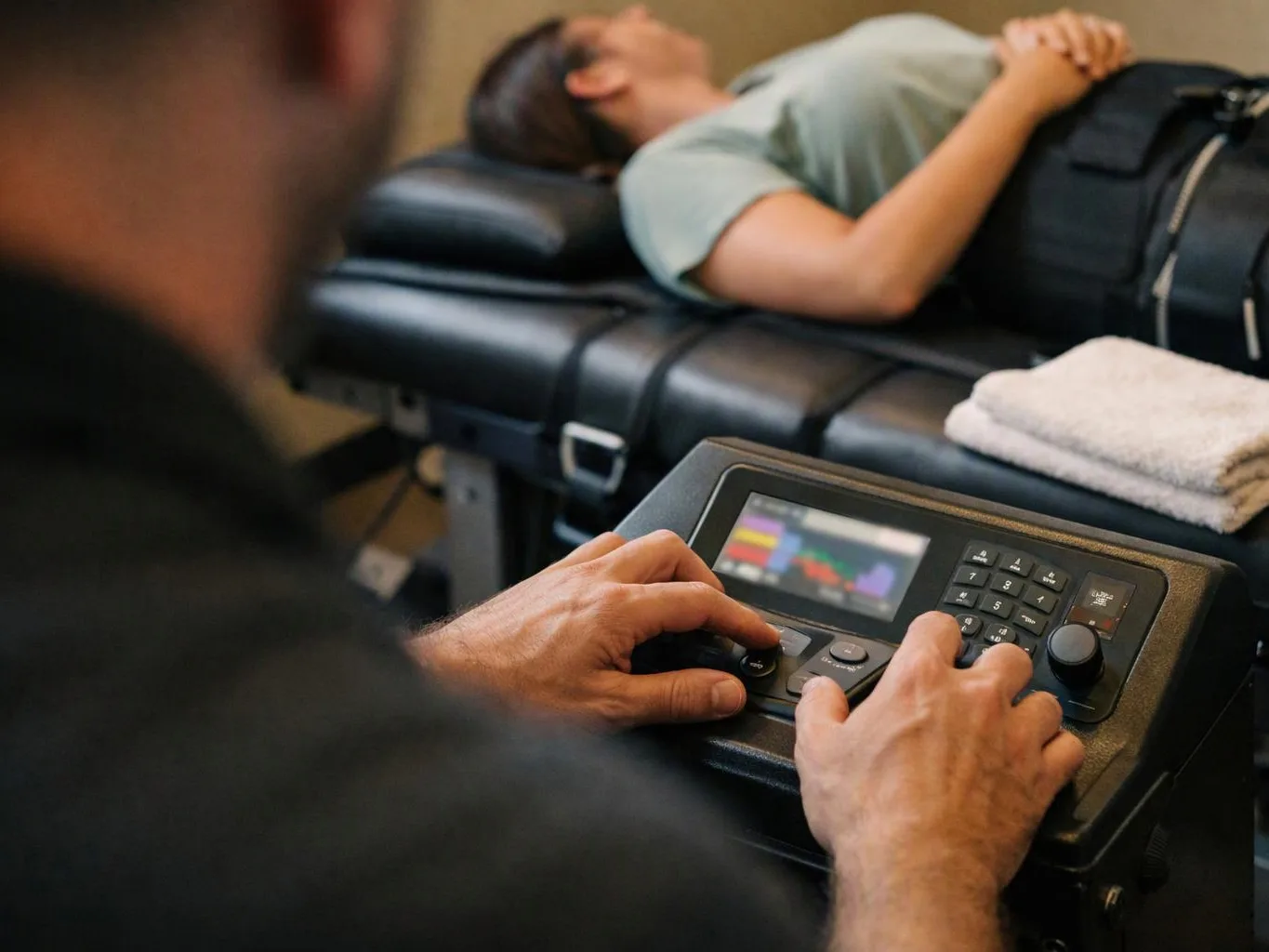
The visit moves from intake and examination to findings, treatment planning, and follow-up review. We first discuss health history and symptoms, then assess posture, alignment, and movement. After that, we explain suitable options, such as adjustments or exercises, and review progress as care continues.
Can chiropractic care fit every spinal curve?
Chiropractic care does not fit every spinal curve or every symptom pattern. The assessment must show that posture, joint motion, and related discomfort fall within chiropractic care’s scope. Severe injury, weakness, numbness, or other urgent signs call for medical attention and may change the next step.