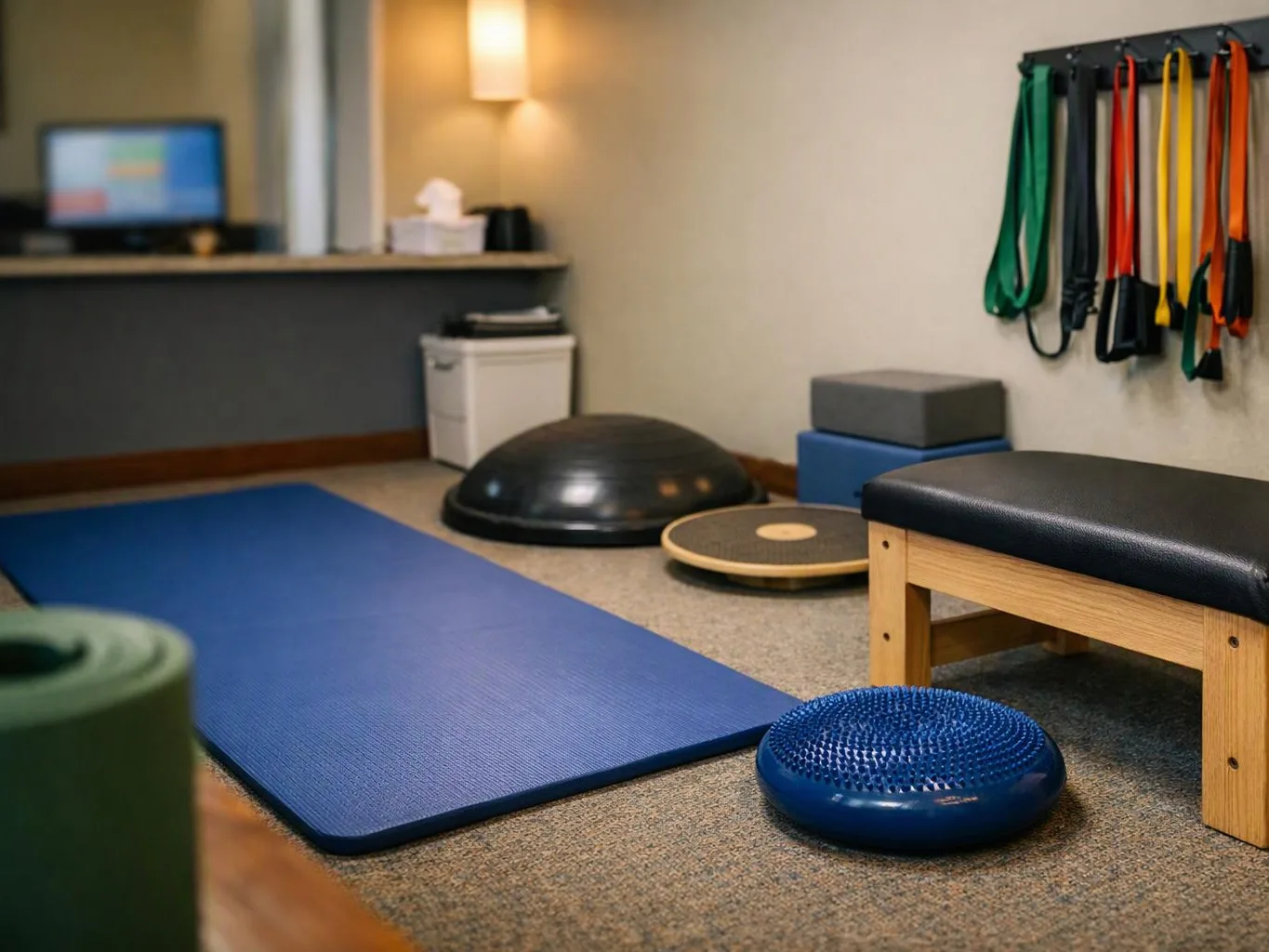
How can therapeutic exercise help with pain and movement?
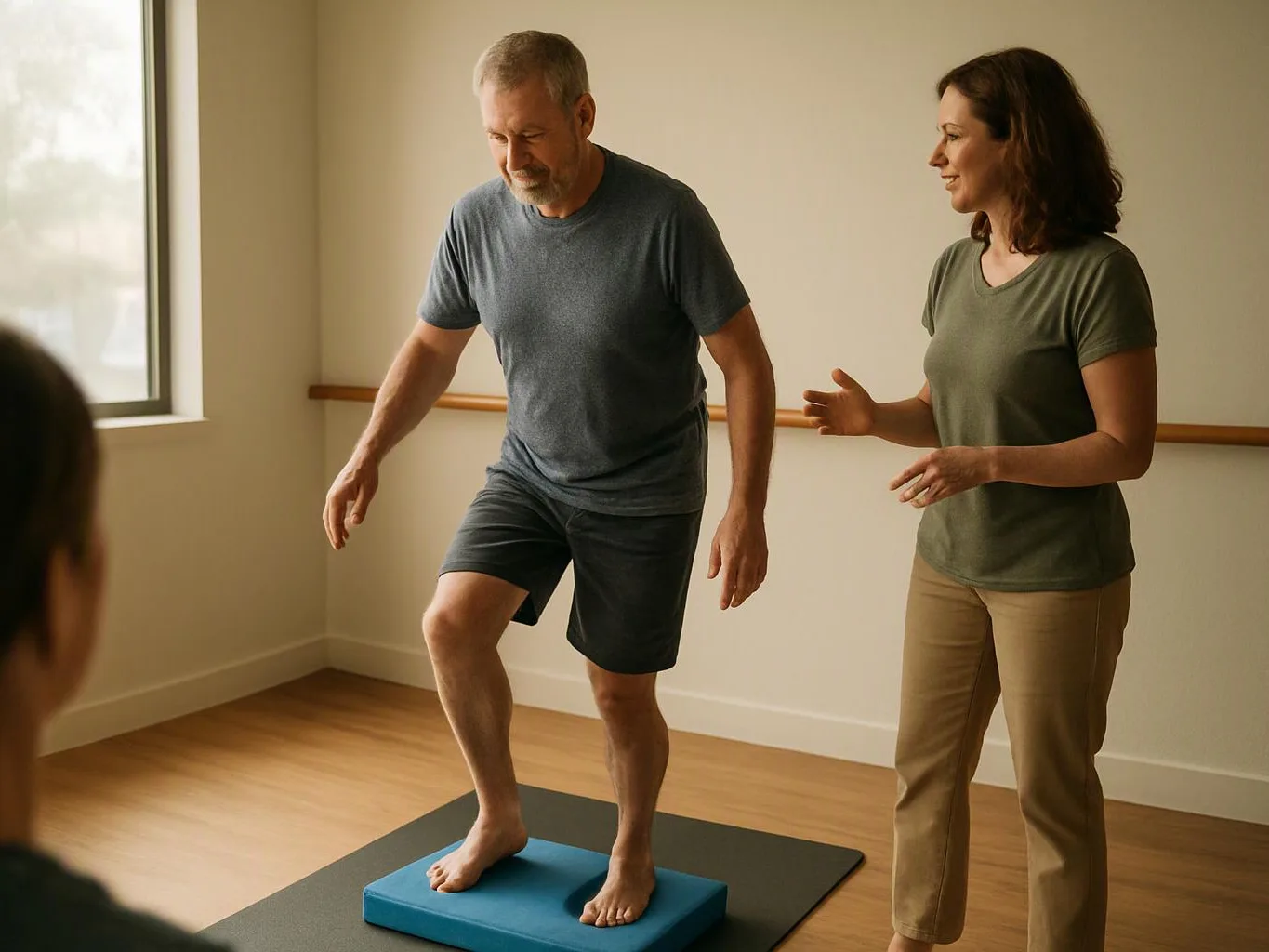
Joint stiffness can limit motion, and therapeutic exercise may support movement by improving strength, posture, and control. Arrowhead Clinic Chiropractor Hinesville checks how you move before selecting exercises. Individual response differs, so we set realistic expectations and review progress during follow-up care.
What does a first visit include before exercises begin?
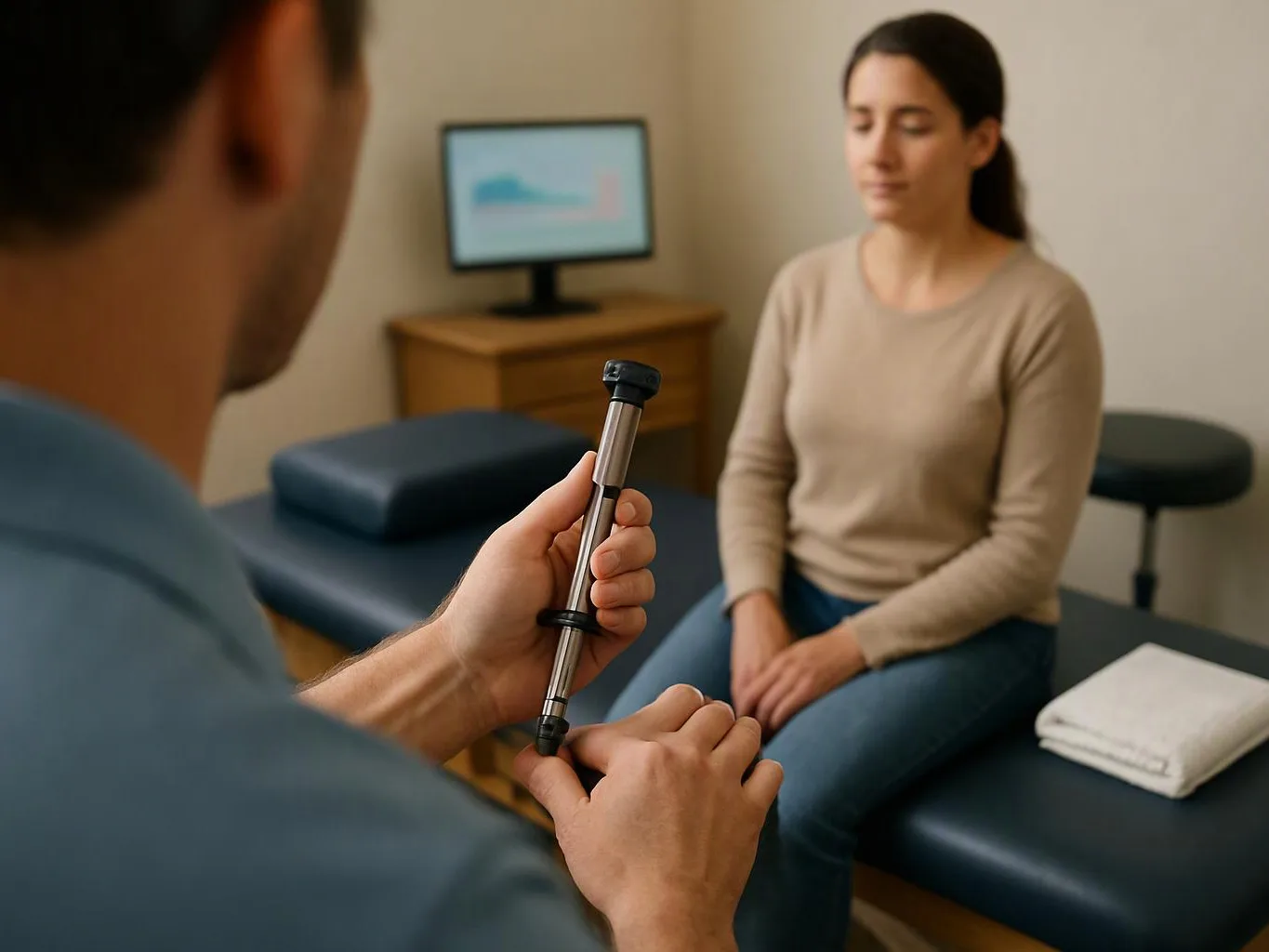
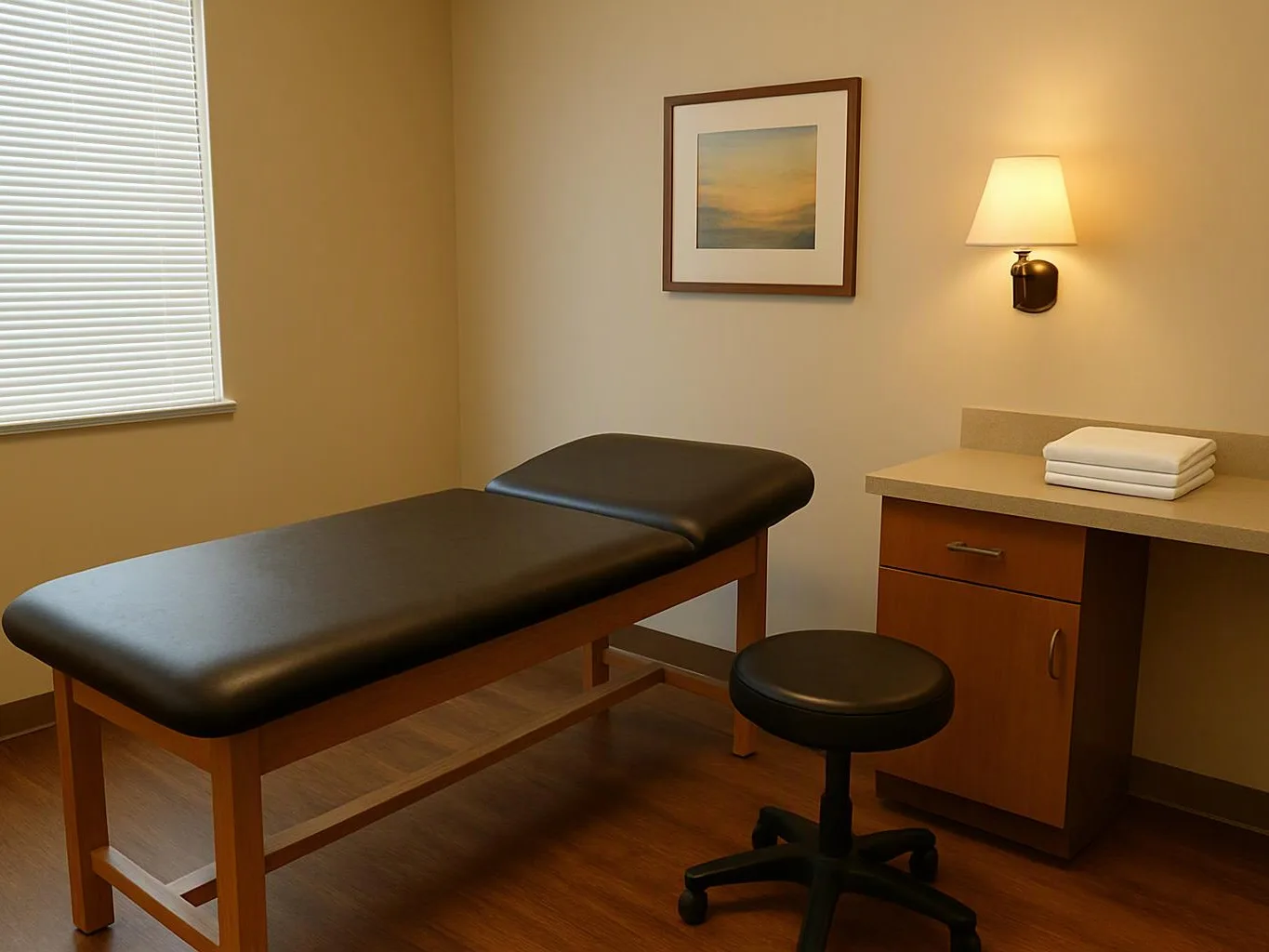
A first visit includes a new patient intake, health history, exam, and discussion of your goals. We check posture, range of motion, strength, and movement control. X-rays may be considered if clinically indicated. The findings guide the report of findings and personalized treatment plan.
Which part of the assessment changes the exercise plan?
Movement control changes the exercise plan because it shows how well your body manages a task. We also consider strength, posture, range of motion, symptoms, and prior injuries. The plan can be adjusted when a movement causes concern or no longer matches your current ability.
When should I ask about exercise for sciatica or back pain?
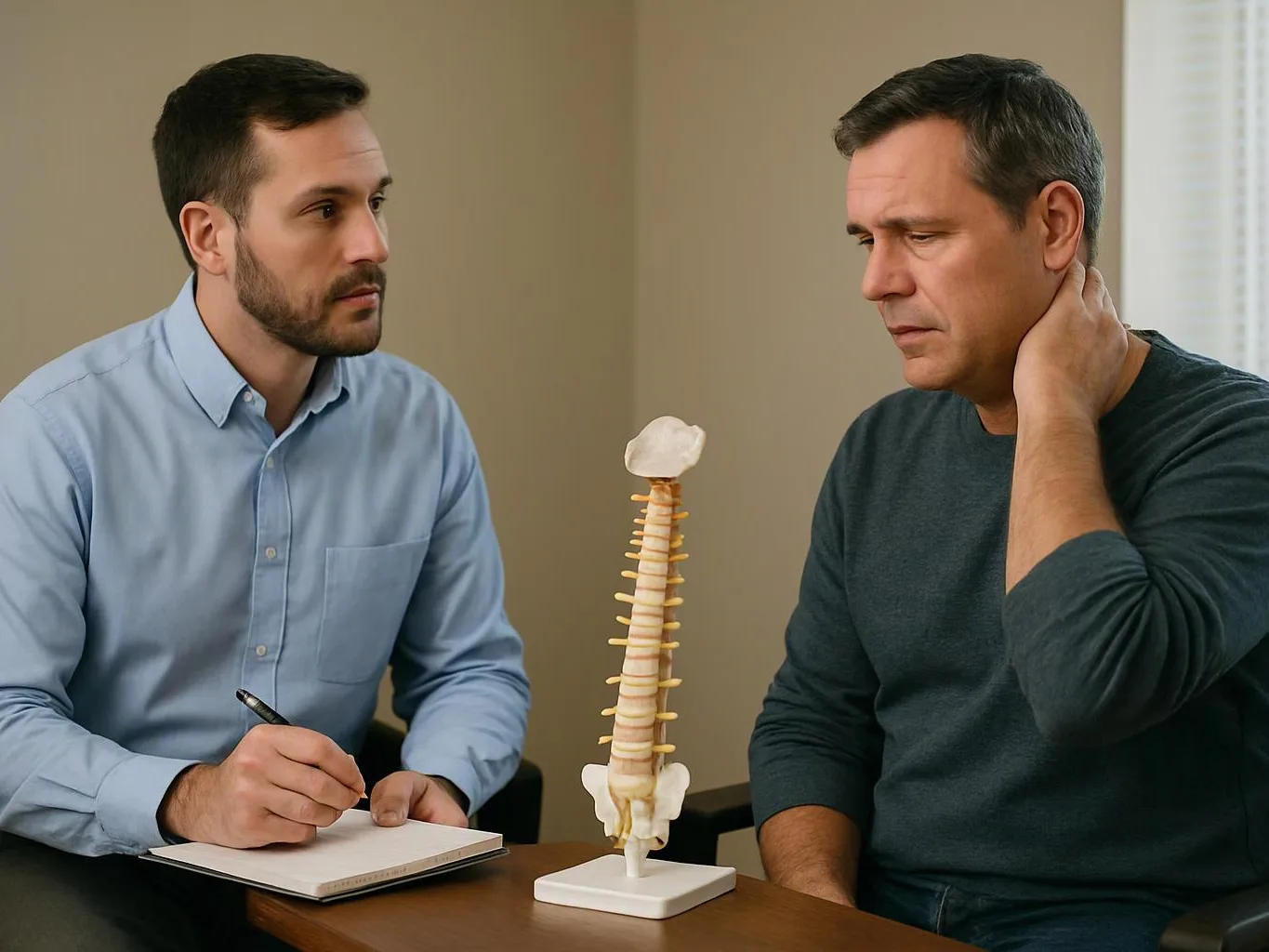
Sciatica or back pain deserves an assessment when symptoms limit walking, sitting, lifting, or normal daily tasks. Our team reviews the symptom pattern and movement limits before recommending exercises. Severe weakness, loss of bladder or bowel control, or other serious signs require prompt medical care.
Why might an adjustment be paired with corrective exercise?
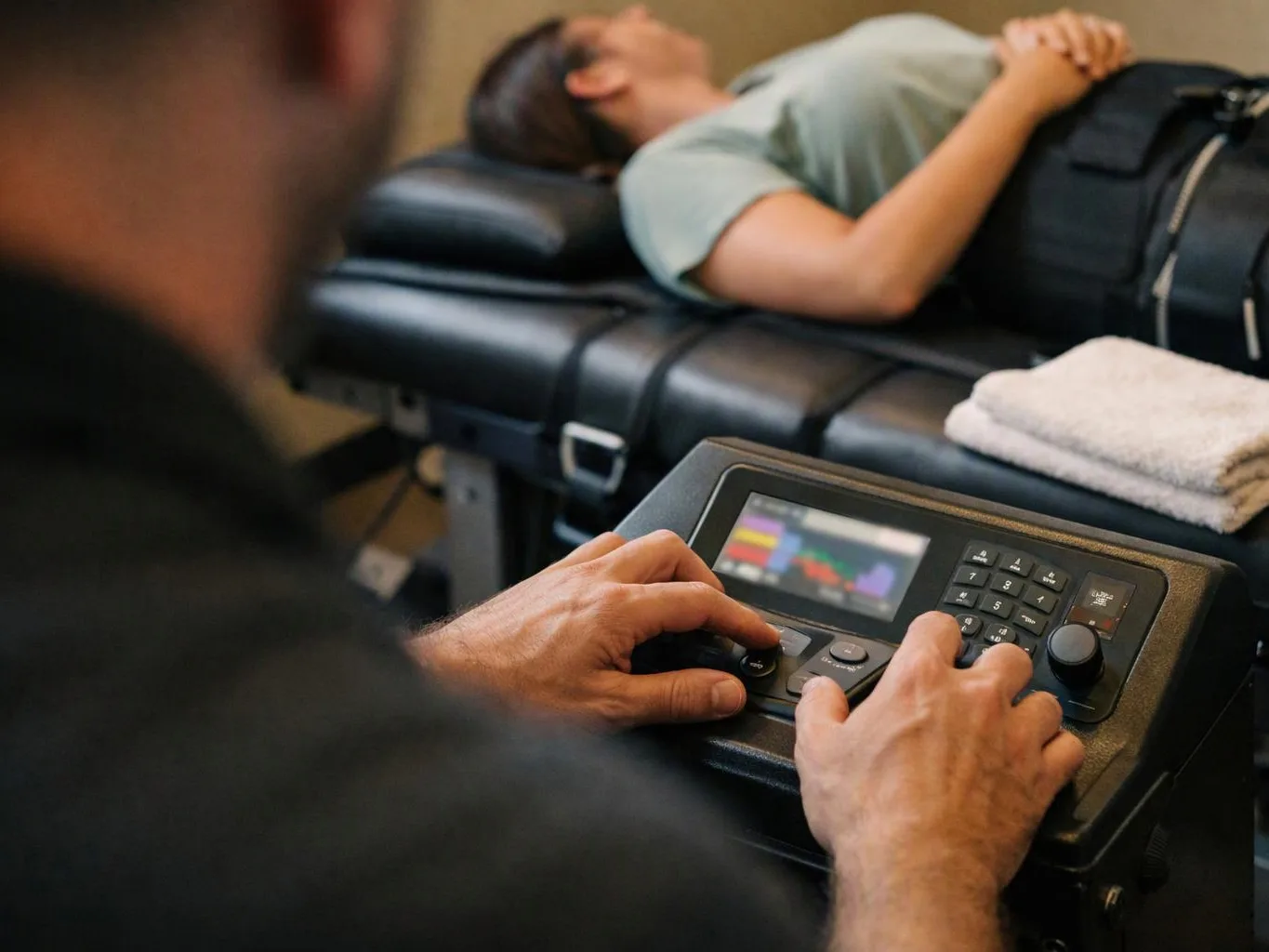
A chiropractic adjustment and corrective exercise address different parts of movement care. An adjustment may address spinal or joint alignment, while exercise builds control and strength. We explain whether combining them fits your assessment, symptoms, and functional goals.
How does care move from the first call to the last step?
The care path moves from consultation to assessment, treatment planning, guided exercise, and follow-up review. We first discuss your concern, then check movement and posture. After exercise instruction, we review how your body responds and explain the next care step.
What should I bring to a movement assessment?
Relevant medical records, imaging, injury details, and a list of current concerns can help guide the assessment. Comfortable clothing also makes movement checks easier. Workers’ compensation or personal injury paperwork may help when those situations apply.