What therapies are used during whiplash treatment?
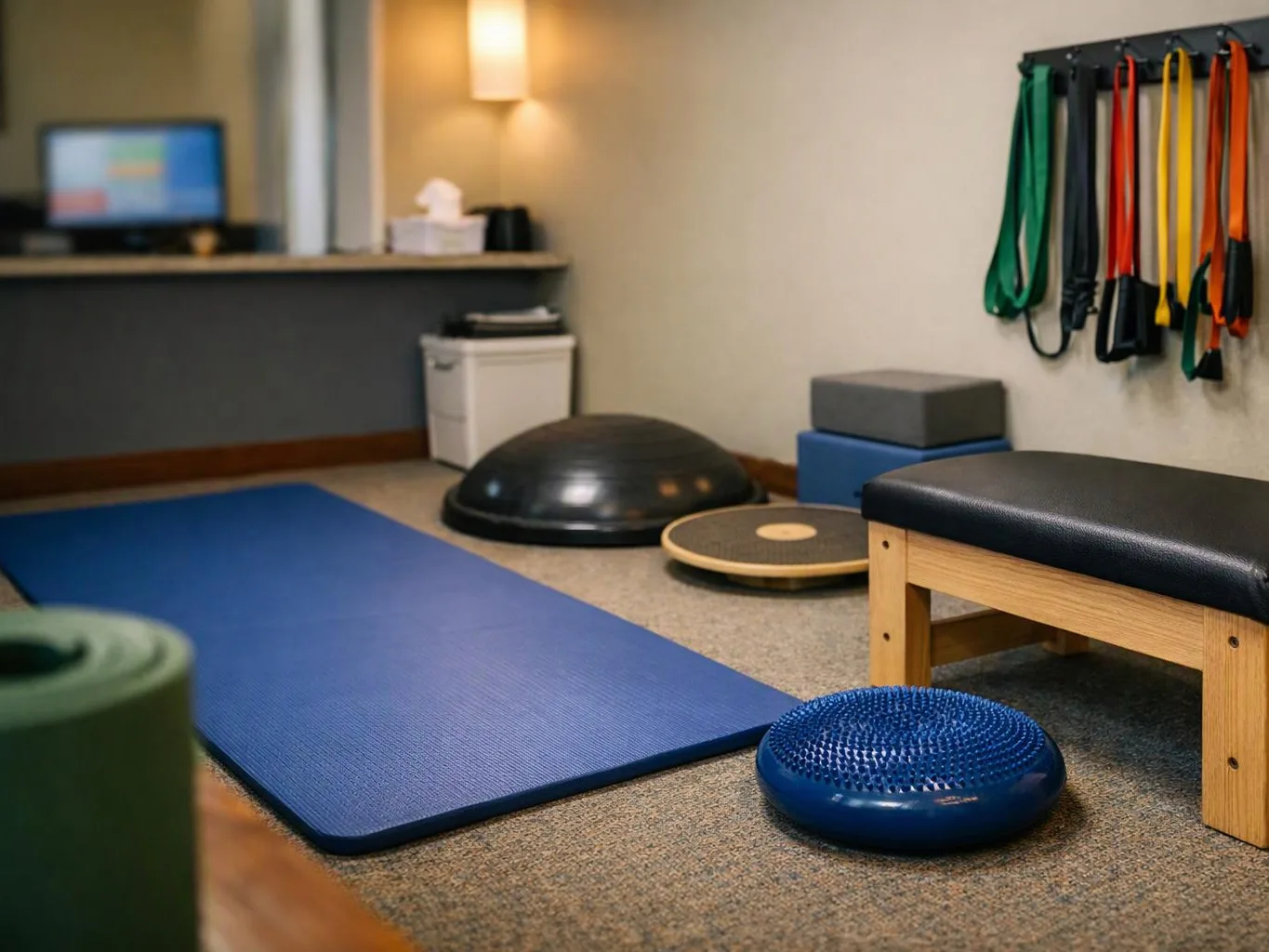
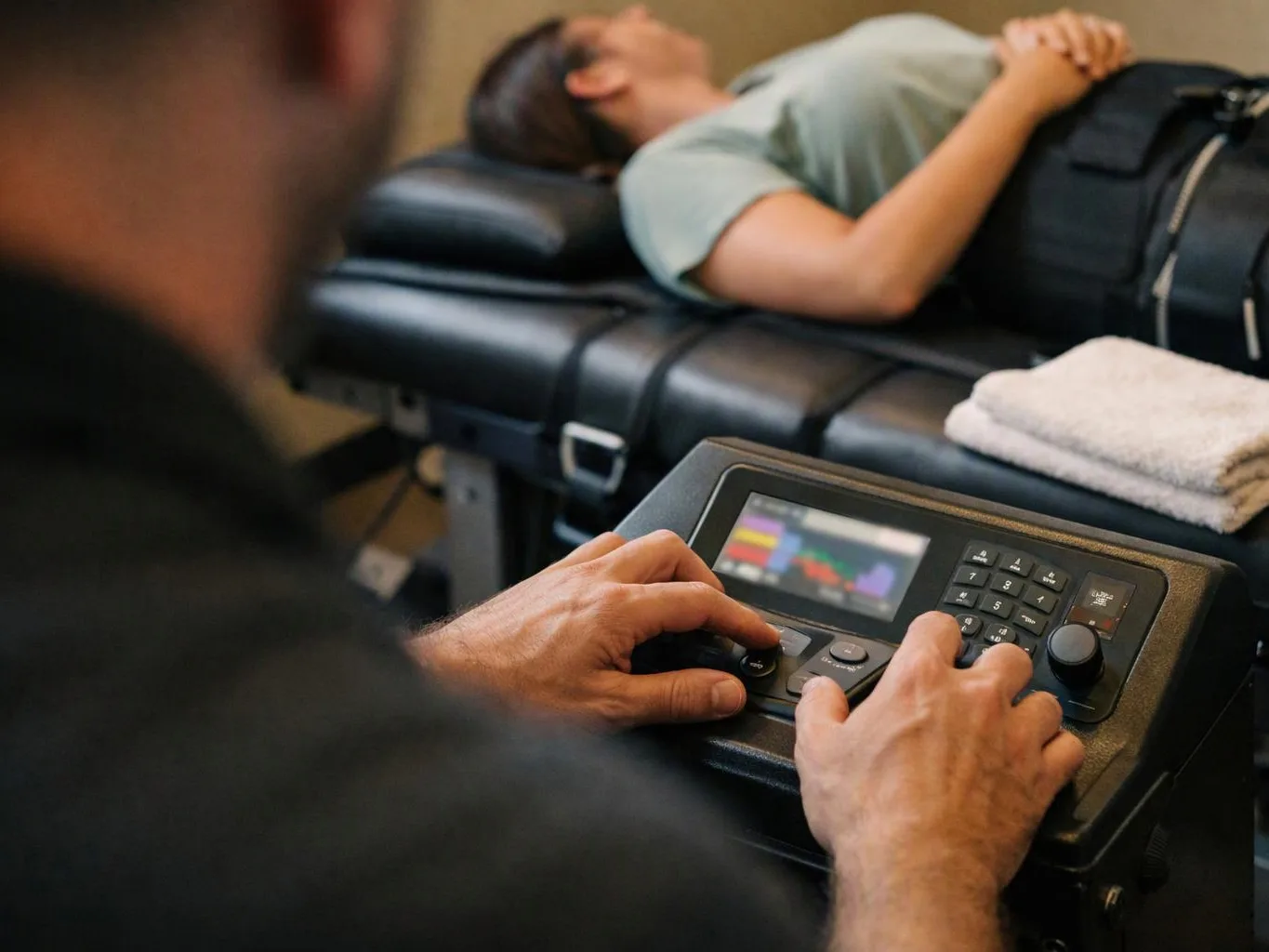
Therapeutic exercises are used with other care when the examination supports them. We may also discuss gentle adjustments, manual therapy, and posture support. The first visit includes a health history and exam, so treatment matches movement limits and symptoms. Individual response differs, and we explain the plan before care begins.
What should be ready before whiplash care starts?
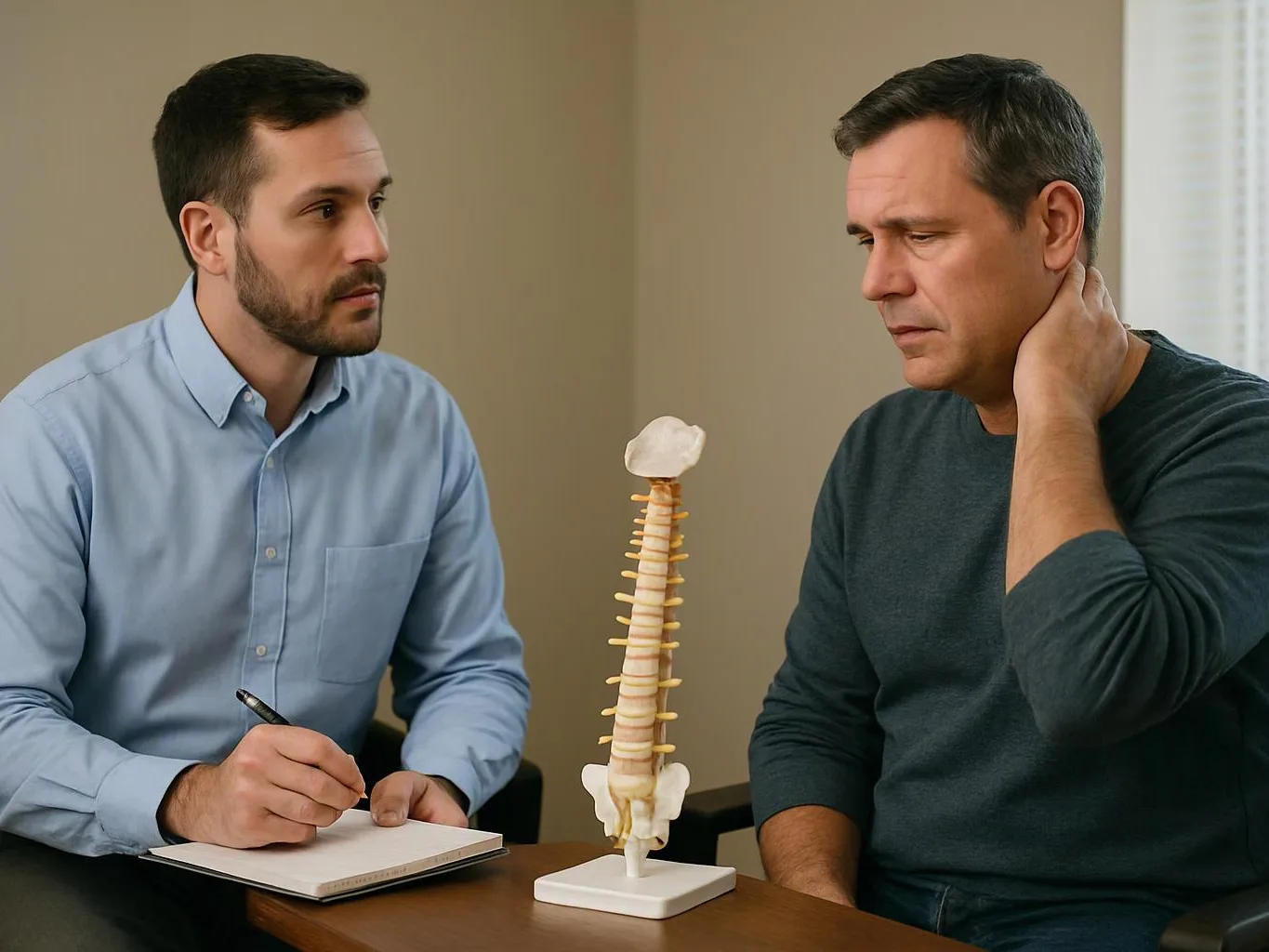
Your health history, symptom details, and available medical records should be ready before care starts. Bring information about the injury, current concerns, prior treatment, and daily activities that affect your neck. Imaging may help when clinically indicated. These details give our team a clearer basis for the examination and care discussion.
What should I ask before agreeing to treatment?
Treatment questions should cover the findings, recommended methods, expected steps, and alternatives for your situation. Ask how gentle adjustments, manual therapy, posture support, or exercises fit your goals. You can also ask when progress will be reviewed and which symptoms require medical attention outside chiropractic care.
Which condition changes the time needed for whiplash care?
The condition that most changes care time is the patient’s injury pattern and movement limit. Symptoms, health history, posture, and the need for clinically indicated imaging also guide the plan. Our examination identifies these factors before treatment choices are made, so no fixed schedule is promised without an assessment.
When should neck symptoms receive medical attention?
Severe or worsening symptoms should receive medical attention before chiropractic care. Seek prompt medical help for major weakness, loss of feeling, trouble walking, fainting, or other serious changes. For less severe stiffness or movement limits, a consultation can help determine whether chiropractic care fits.
How does the first visit differ from a wellness visit?
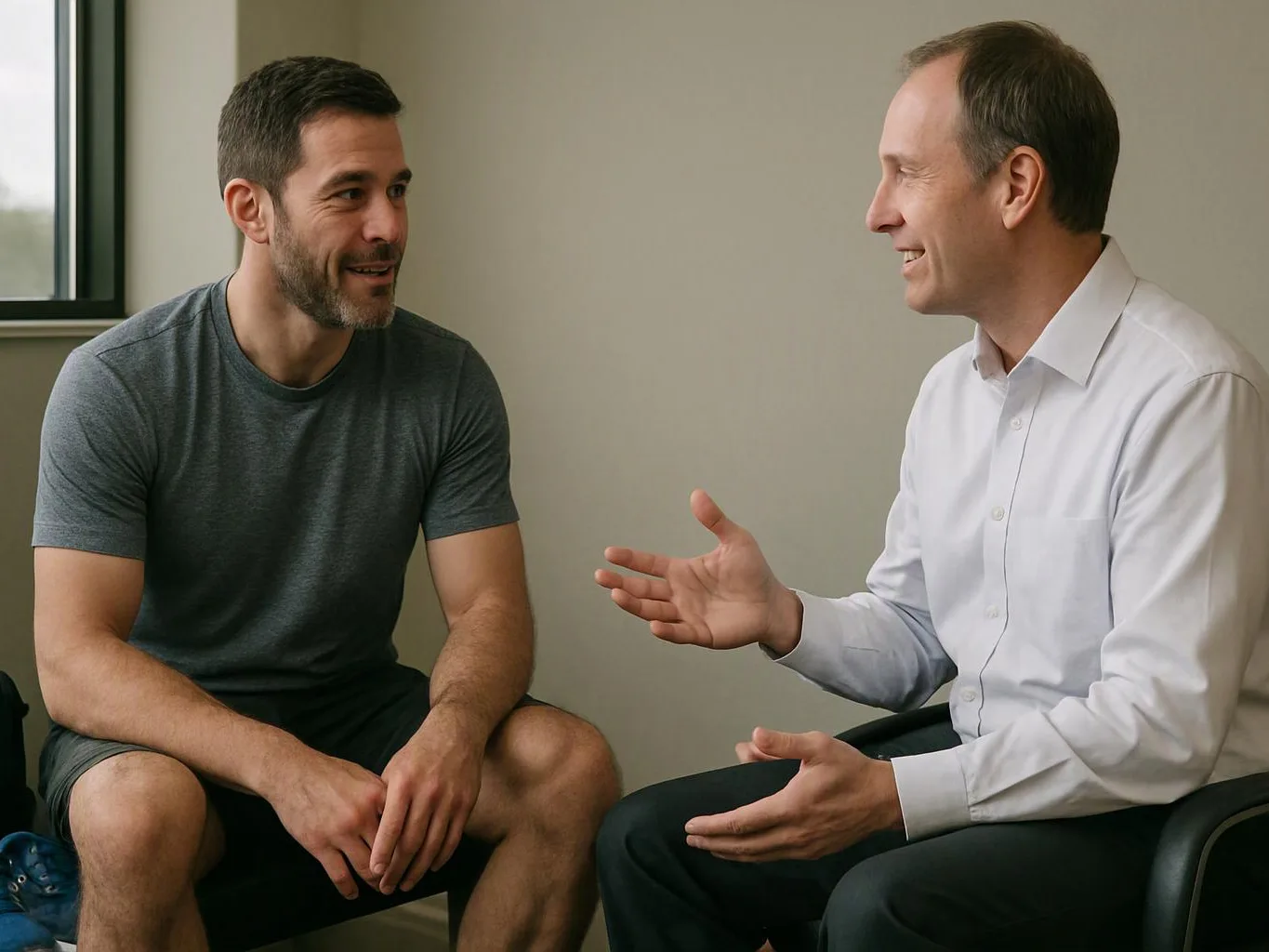
The first injury-focused visit examines the event, symptoms, posture, and movement limits. A wellness visit may focus on ongoing spinal care and maintenance goals. We use the health history and examination to decide which discussion fits your needs, then explain the recommended treatment options.
Can posture support help during neck strain recovery?
Posture support may reduce added strain during sitting, reading, and other daily activities. We review head, neck, and shoulder position during the assessment. Patients receive guidance that fits their routine, along with exercises or other care options when those choices match the examination.