Tailored vs Standard Chiropractic Adjustments Frameworks: Scope & Value Compared
Chiropractic adjustment frameworks differ in how closely care follows an individual assessment and defined protocol. Arrowhead Clinic Chiropractor Hinesville uses the patient’s condition, goals, response, and workers’ compensation treatment context to guide the adjustment framework that fits the case.
Request an EstimateWhat Is the Difference Between Tailored and Standard Chiropractic Adjustments?
Tailored chiropractic adjustments adapt the examination and care plan to the individual, while standard chiropractic adjustments follow a defined protocol for a recognized presentation.
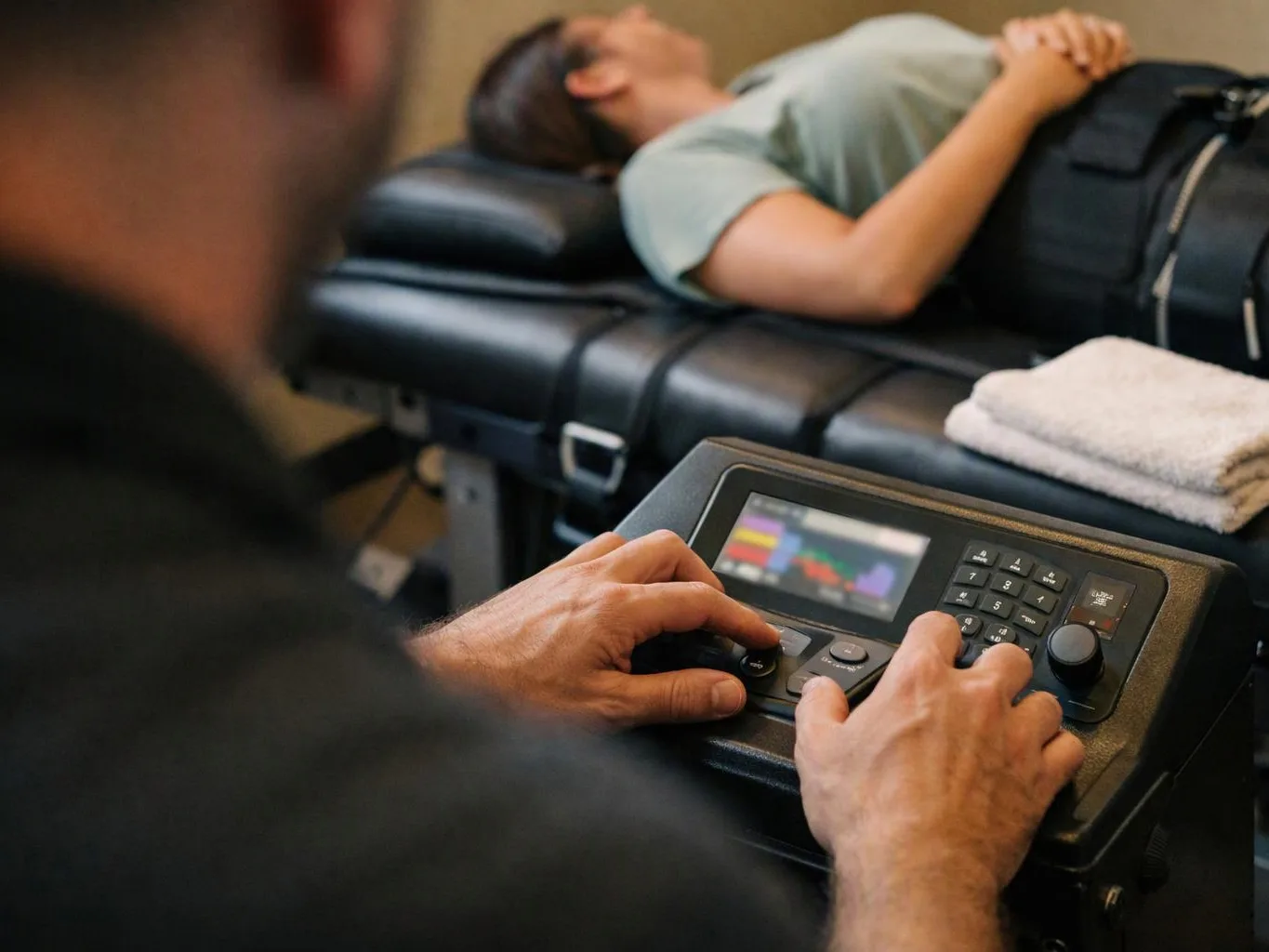
A tailored chiropractic adjustment considers the patient assessment, injury history, spinal movement, joint mobility, pain pattern, and functional limitation. A standard chiropractic adjustment uses a standardized protocol when clinical findings match a known musculoskeletal condition.
For workers’ compensation injury treatment, we also review the work-related injury context and treatment documentation. Our team uses those details to keep the care plan connected to the documented injury and functional goals.
Tailored vs Standard Chiropractic Adjustments at a Glance
The better framework depends on how much the patient’s symptoms, examination findings, injury context, and response to care require individual adjustment. Both approaches can support conservative musculoskeletal care when the treatment goal and clinical findings align.
| Factor | Tailored adjustment | Standard adjustment |
|---|---|---|
| Scope | Patient-specific examination and decisions | Defined protocol for a recognized presentation |
| Cost drivers | Assessment complexity, affected regions, and follow-up needs may require broader planning | Protocol scope and routine reassessment guide the charges |
| Care timeline | Changes with findings and treatment response | Follows a more predictable protocol when findings remain consistent |
| Maintenance | Maintenance plan changes with function and symptom progression | Maintenance follows the established care pattern when appropriate |
| Best-fit patient | Complex, changing, or multi-region presentation | Clear, stable presentation with repeatable care needs |
- Tailored care fits cases that need patient-specific decisions.
- Standard care fits cases that match a defined protocol.
What Does a Tailored Chiropractic Adjustment Framework Include?
A tailored chiropractic adjustment framework uses patient-specific findings to shape the adjustment approach, care priorities, and follow-up decisions.
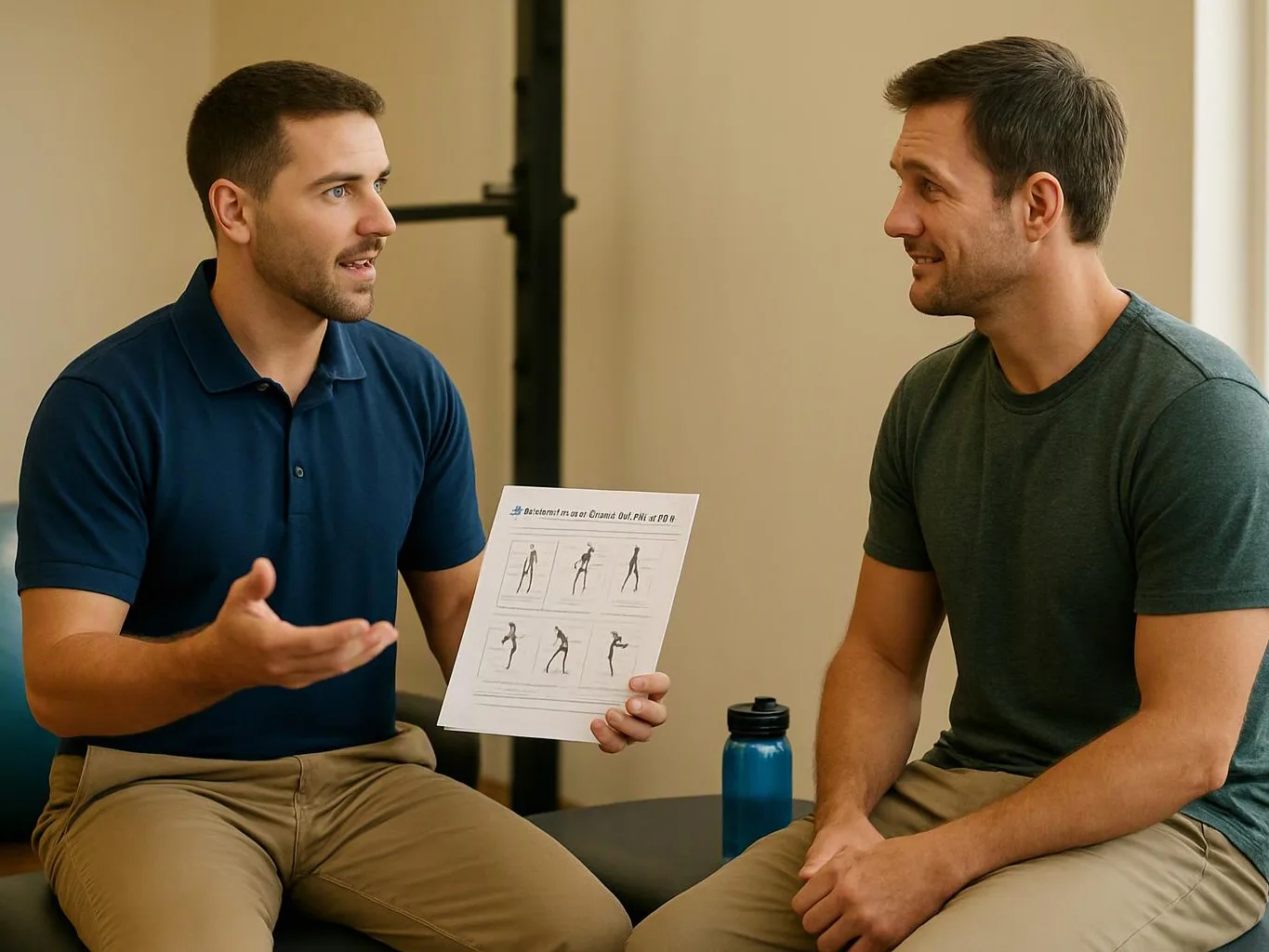
We begin with an individualized assessment of spinal alignment, spinal movement, joint mobility, and the effects of the musculoskeletal injury. The care plan then connects those findings with the patient’s symptoms, functional goals, and treatment response.
Follow-up assessment helps us decide whether the adjustment technique or care priorities need modification. This process keeps the treatment plan responsive to symptom response instead of relying on a fixed routine.
Why Choose Tailored Chiropractic Adjustments?
Tailored chiropractic care is useful when the injury presentation requires decisions that change with the patient’s findings and progress.
Best for: Tailored adjustments fit patients whose symptoms, affected regions, or care goals do not follow one simple pattern.
Best Fit for Tailored Adjustments
A tailored adjustment framework best fits a complex injury presentation, changing symptoms, multiple affected regions, or individual care goals.
Our team reviews the full symptom pattern and functional limitation before deciding whether a region-specific adjustment or follow-up adjustment supports the plan. The framework can change when clinical reassessment shows a different need.
What Does a Standard Chiropractic Adjustment Framework Include?
A standard chiropractic adjustment framework follows a consistent protocol when the patient’s presentation matches the conditions that protocol is designed to address.
Standard chiropractic care may use a routine adjustment approach for a common musculoskeletal condition with repeatable examination findings. The defined process supports care consistency and makes the treatment objective easier to explain.
We still review the patient assessment and treatment response during care. A standardized protocol remains appropriate only while the findings and goals continue to support it.
Why Choose Standard Chiropractic Adjustments?
Standard chiropractic care is useful when a clear presentation supports a focused, repeatable treatment process.

Best for: Standard adjustments fit patients with a clear clinical presentation, stable treatment objective, and repeatable care needs.
Best Fit for Standard Adjustments
A standard adjustment framework best fits a clear clinical presentation with a stable treatment objective and defined adjustment protocol.
We use the protocol only when the examination findings and symptom pattern remain consistent with the intended care approach. A change in symptoms or function can lead us to reassess the framework.
How Do Scope and Value Compare?
Tailored care offers more individual decision-making, while standard care offers more protocol consistency; value comes from how well the framework supports the patient’s documented treatment needs.
The scope of care should match the care objectives, patient response, and functional goals. A broader individualized assessment may provide value when the injury affects several regions or changes during treatment.
Standard care may provide value when a repeatable protocol addresses the documented findings without unnecessary expansion. For workers’ compensation injury treatment, treatment documentation and claim documentation also help show treatment appropriateness.
What Changes the Cost of a Chiropractic Adjustment Framework?
The cost of a chiropractic adjustment framework depends on assessment complexity, affected areas, care-plan scope, follow-up needs, and claim-related documentation; we explain the applicable charges when arranging care.
Assessment complexity can change the work involved in reviewing injury history, clinical findings, and symptom response. The number of affected regions and the scope of the care plan can also influence the service provided.
Workers’ compensation claim requirements may add documentation or coordination needs. We review the treatment context and explain what the quote includes before care is arranged.
Our team offers Free Consultations for people who want to discuss the treatment context and next steps.
How We Select an Adjustment Framework for a Workers’ Compensation Injury
Arrowhead Clinic Chiropractor Hinesville selects the adjustment framework by connecting the injury history, examination findings, functional goals, and treatment response with the workers’ compensation documentation.
For workers’ compensation injury treatment, we keep the care plan and claim documentation aligned with the findings that support treatment.
Which Chiropractic Adjustment Framework Fits Your Treatment Goals?
A tailored framework fits cases that require patient-specific decisions, while a standard framework fits cases that align with a clear, repeatable protocol.
Injury goals, care consistency, individual response, and the treatment plan all matter. We use the patient assessment and follow-up findings to keep the selected framework connected to functional recovery.
Patients seeking workers’ compensation injury treatment can review our Workers' Compensation Injury Treatment service to discuss the claim context with our team.
Questions About Choosing an Adjustment Framework
Can a chiropractic adjustment framework change during workers’ compensation treatment?
Yes, a chiropractic adjustment framework can change when the injury findings, symptom response, functional goals, or treatment documentation change. Arrowhead Clinic Chiropractor Hinesville uses follow-up assessment to decide whether the current plan remains appropriate.
Does a tailored chiropractic adjustment always provide more value than a standard adjustment?
No, a tailored chiropractic adjustment does not always provide more value than a standard adjustment. Value depends on whether the framework matches the clinical findings, treatment goals, patient response, and documented care needs.
How does injury documentation affect the choice between tailored and standard chiropractic care?
Injury documentation affects the choice by showing the work-related context, clinical findings, functional limits, and treatment goals that the care plan must address. We use that information to support treatment appropriateness and claim documentation.
What should patients discuss before choosing an adjustment framework?
Patients should discuss the injury history, symptom pattern, functional goals, affected regions, treatment response, maintenance care, and workers’ compensation treatment documentation before choosing an adjustment framework.
Discuss your injury findings, treatment goals, and workers’ compensation documentation with Arrowhead Clinic Chiropractor Hinesville so we can explain the framework and care plan that fit your case.
Contact our team