Work Injury Checklist: What to Do Before Discussing Treatment
Work injury treatment preparation starts with checking for emergency symptoms, reporting the injury, recording what happened, gathering treatment information, and preparing questions before discussing care. Arrowhead Clinic Chiropractor Hinesville uses that information to understand the injury and discuss workers' compensation treatment, physical therapy, and therapeutic exercise.
Request an EstimateWhat Should You Do Immediately After a Work Injury?
A work injury requires an immediate safety check, appropriate medical attention, prompt workplace reporting, and accurate documentation.
Move away from ongoing hazards when you can do so safely. Check for urgent symptoms and seek emergency treatment when your condition may threaten breathing, consciousness, neurological function, or physical stability. Then notify your supervisor or another designated workplace contact.
Write down the workplace incident while the details are clear. Include what you were doing, where the injury happened, who witnessed it, and how your symptoms began. We use these details to understand the mechanism of injury during a medical evaluation.
Before Treatment: Complete This Work Injury Checklist
The before-treatment checklist helps an injured worker organize the facts, records, and questions needed for a workers' compensation treatment discussion.
Use the list below before contacting our team. Keep copies of your notes and records so you can explain the injury consistently to your employer, claim administrator, and healthcare team.
When Does a Work Injury Need Emergency Treatment?
A work injury needs emergency treatment when symptoms suggest an immediate threat to life, neurological function, breathing, or physical stability.
Call emergency services or go to an emergency department when severe symptoms appear. Do not delay emergency care while waiting for an employer response or workers' compensation claim decision.
Who Should You Tell About a Work Injury?
The employer is the first workplace contact for a work injury, so tell your supervisor or designated workplace contact and follow the employer's workers' compensation reporting process.
Ask whether the human resources department or workers' compensation administrator needs a separate injury report. Keep a copy of the incident report and note when you reported the workplace accident.
Arrowhead Clinic Chiropractor Hinesville can review the clinical information you bring while you follow the applicable employer and claim procedures. Reporting an injury does not replace emergency treatment when urgent symptoms are present.
During the Treatment Discussion: Explain What Happened
The treatment discussion works best when you explain the injury mechanism, symptoms, limitations, prior injuries, findings, and goals in clear order.
Use the following during your appointment so our team can connect your work duties with your current condition.
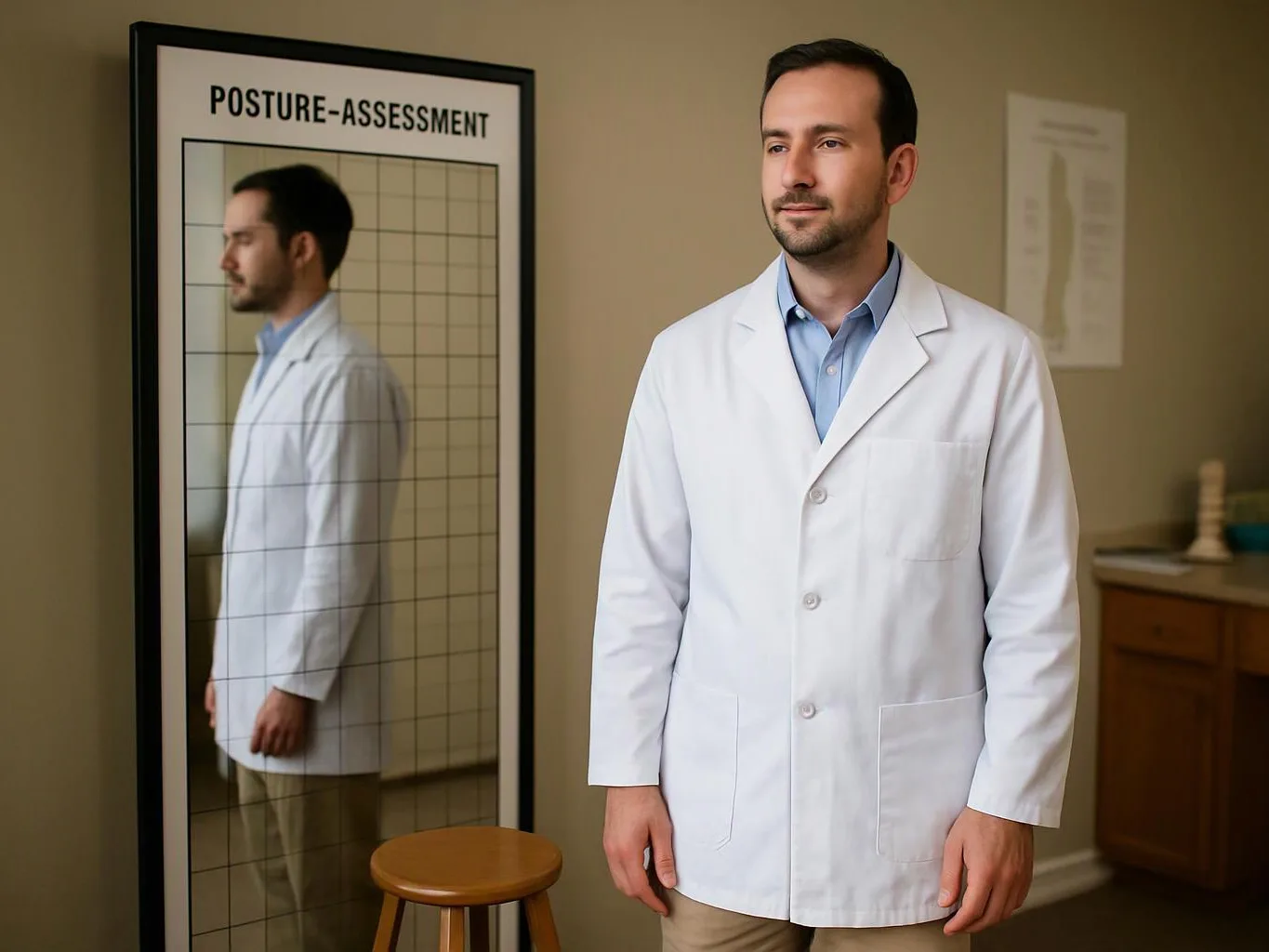
How Arrowhead Clinic Chiropractor Hinesville Assesses a Work Injury Before Discussing Care
Arrowhead Clinic Chiropractor Hinesville uses a clinical history, physical examination, and movement assessment to understand a possible musculoskeletal injury.
We ask how the injury occurred, review your symptoms, and observe movement patterns that may relate to pain or reduced mobility. Our team considers the work demands, medical history, diagnostic findings, and current functional limitations before discussing care.
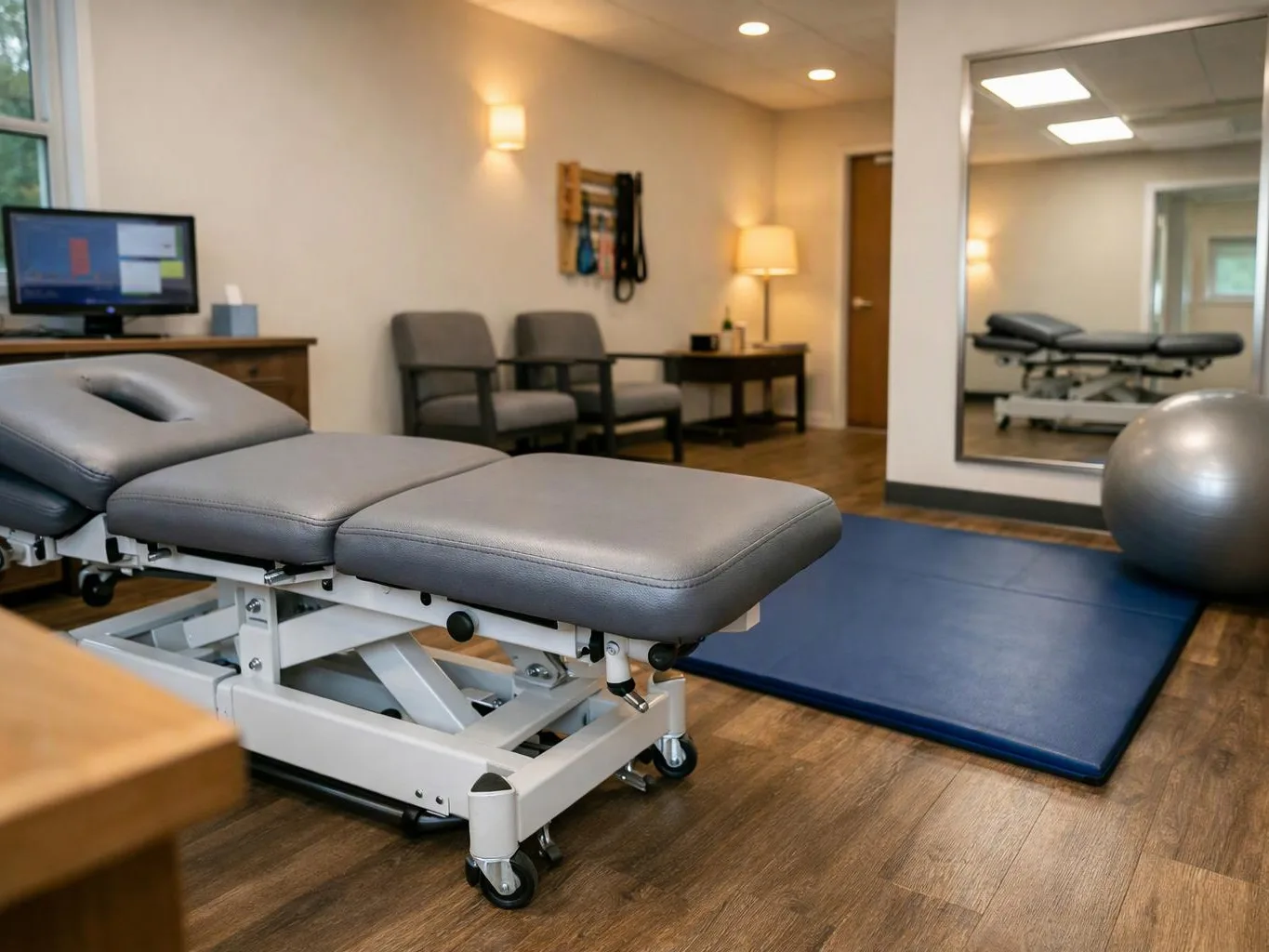
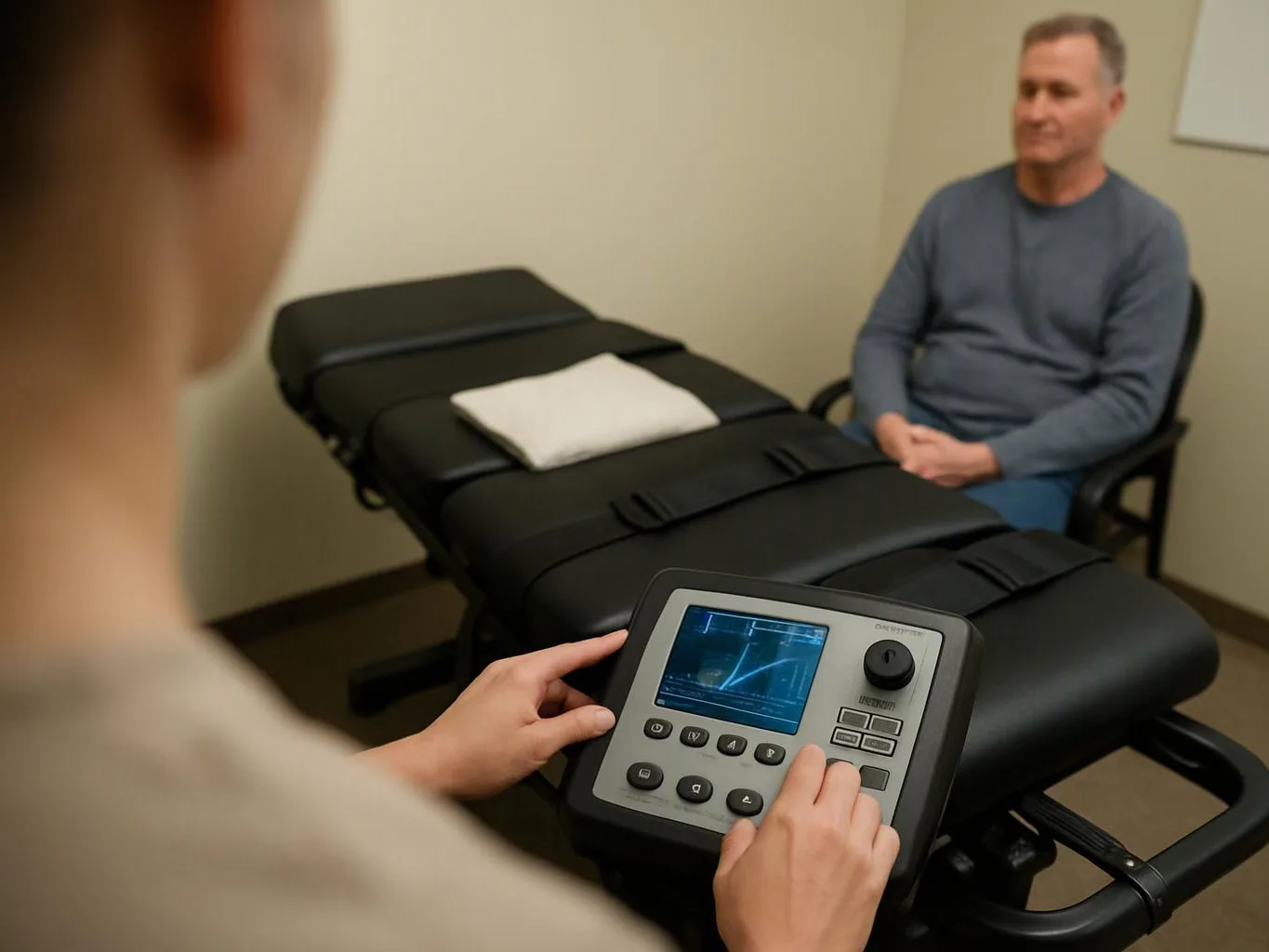
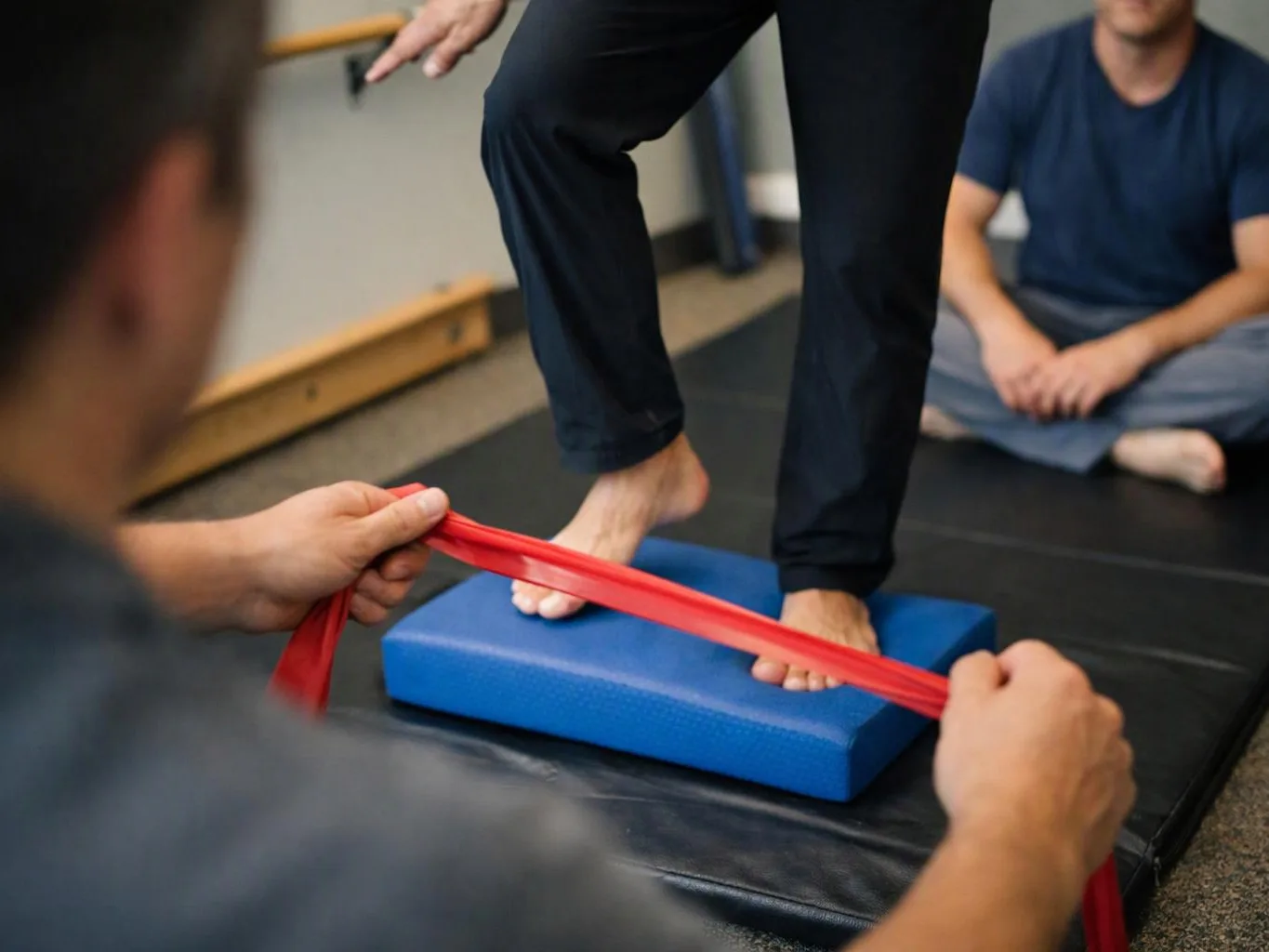
When appropriate, we may discuss Workers' Compensation Injury Treatment, Physical Therapy, and therapeutic exercise as parts of a broader care plan. We explain how activity modification and work restrictions may support safe progress while the claim and treatment records are managed.
After the Appointment: Organize Your Treatment Information
The after-appointment checklist keeps your treatment plan, work instructions, symptom changes, and workers' compensation documentation organized.
Use the list after each visit and share work-related updates through the communication process provided by your employer or claim administrator.
What Should You Bring to a Work Injury Appointment?
Bring your workers' compensation information, incident details, relevant medical records, imaging reports, medication information, and a list of current symptoms.
Photo identification and employer contact information can help our team match your appointment with the correct workplace and claim records. Bring the incident report, claim information, prior treatment records, imaging reports, and medication list when available.
Write down your main concerns before you arrive. Clear notes help you explain the injury and help us discuss appropriate next steps.
Questions to Ask Before Starting Work Injury Treatment
Questions about treatment goals, activity, work duties, documentation, and follow-up care help you understand the proposed care plan.
Ask how physical therapy or therapeutic exercise may fit your goals, which activities may need modification, and how work restrictions will be documented. Ask when follow-up care is expected, what symptoms should be tracked, and which workers' compensation documents you should provide to your employer or claim administrator.
Ask our team what information would change the treatment discussion. We can explain how the clinical history, physical examination, movement findings, and diagnostic information relate to your care plan.
Questions About Preparing for Work Injury Treatment
Can I discuss chiropractic treatment after reporting a work injury?
Yes, Arrowhead Clinic Chiropractor Hinesville can discuss chiropractic treatment after you report a work injury and provide relevant claim and medical information. We review the injury history, physical findings, work limits, and treatment goals before discussing care.
What should I write down before a workers' compensation medical appointment?
Write down the workplace incident, mechanism of injury, pain location, symptom pattern, functional limitations, prior injuries, current medications, work duties, and questions about treatment. Keep your injury report, claim information, medical records, and imaging results available.
Should I continue working while waiting to discuss treatment for a work injury?
Continue working only within the duties and work restrictions provided by the appropriate healthcare and workplace process. Report worsening symptoms or unsafe tasks promptly, and do not perform duties that conflict with documented restrictions.
Use this checklist to organize your report, records, symptoms, and questions before discussing workers' compensation injury treatment. Contact Arrowhead Clinic Chiropractor Hinesville to discuss your work injury information and next steps.
Get a Free Estimate