
What Is Biomechanics?
Biomechanics is the study of how forces affect movement in living bodies. In physical therapy, biomechanics examines how joints, muscles, bones, posture, and movement patterns work together during activities such as walking, lifting, or reaching. The analysis can help describe movement limits, uneven loading, and changes that may guide therapeutic exercise.
Quick Facts About Biomechanics
Category
Movement science
Used for
Movement assessment and exercise planning
Common confusion
Not identical to kinesiology
Also called
Human biomechanics, Movement mechanics
Often discussed with
Physical Therapy, Therapeutic Exercise
Key Takeaways About Biomechanics
- It focuses on movement and force, not just body structure.
- Physical therapists apply it to movement assessment and exercise planning.
- Biomechanics is not the same as kinesiology, which covers movement more broadly.
How Biomechanics Works
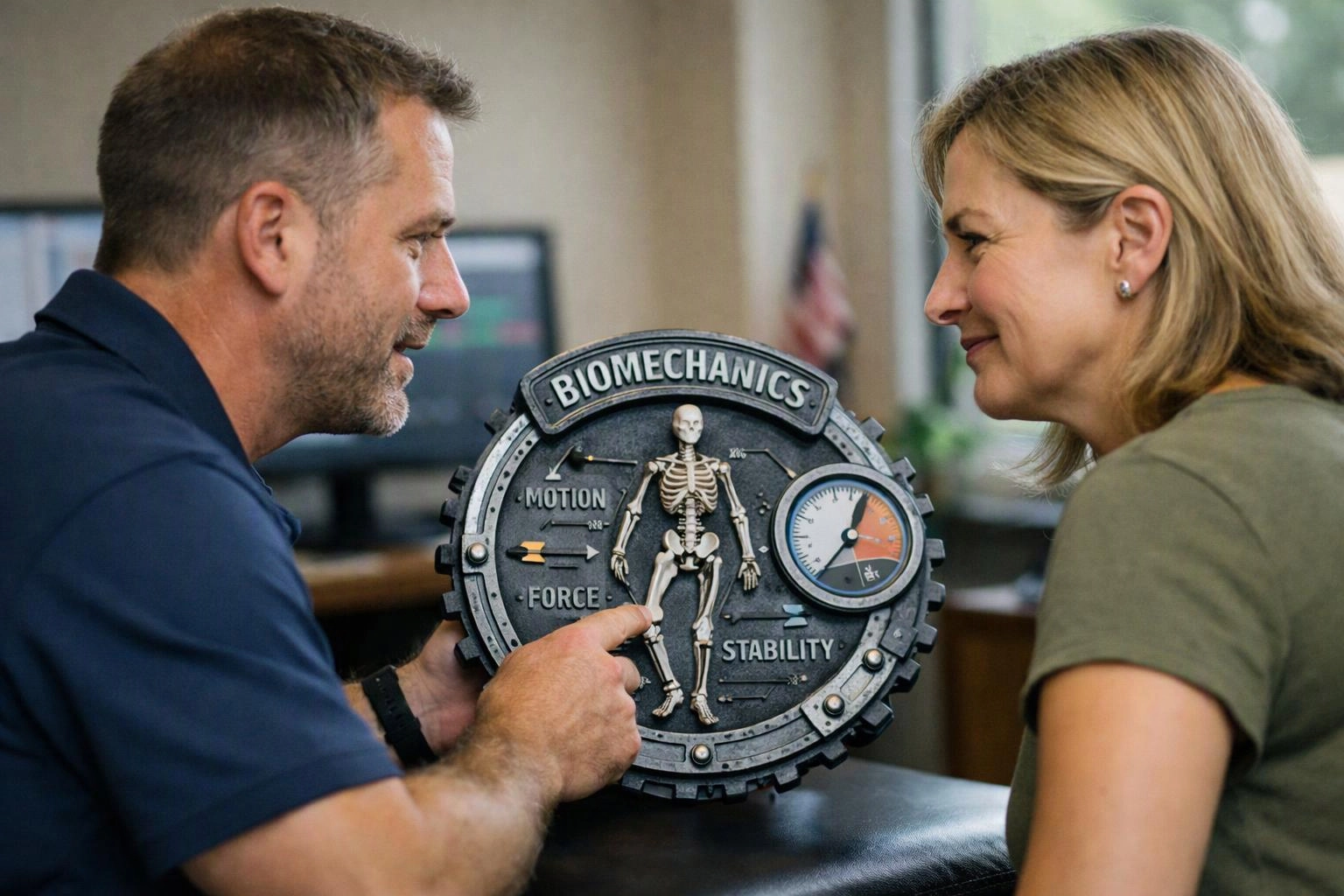
Biomechanics works by examining the relationship between body structure, physical forces, and movement. A clinician may observe posture, joint motion, muscle control, balance, and the way a person transfers weight during an activity. The goal is to describe how movement occurs and where a pattern changes.
Related glossary terms: Gait Analysis, Postural Assessment, Range of Motion.
Physical therapy applies biomechanics to tasks that affect daily life. A movement assessment may compare how each side of the body bends, rotates, or accepts load. The findings can shape therapeutic exercise, balance work, or movement practice. Range of Motion describes how far a joint moves, while Gait Analysis examines walking patterns.
From the Arrowhead Clinic Chiropractor Hinesville team
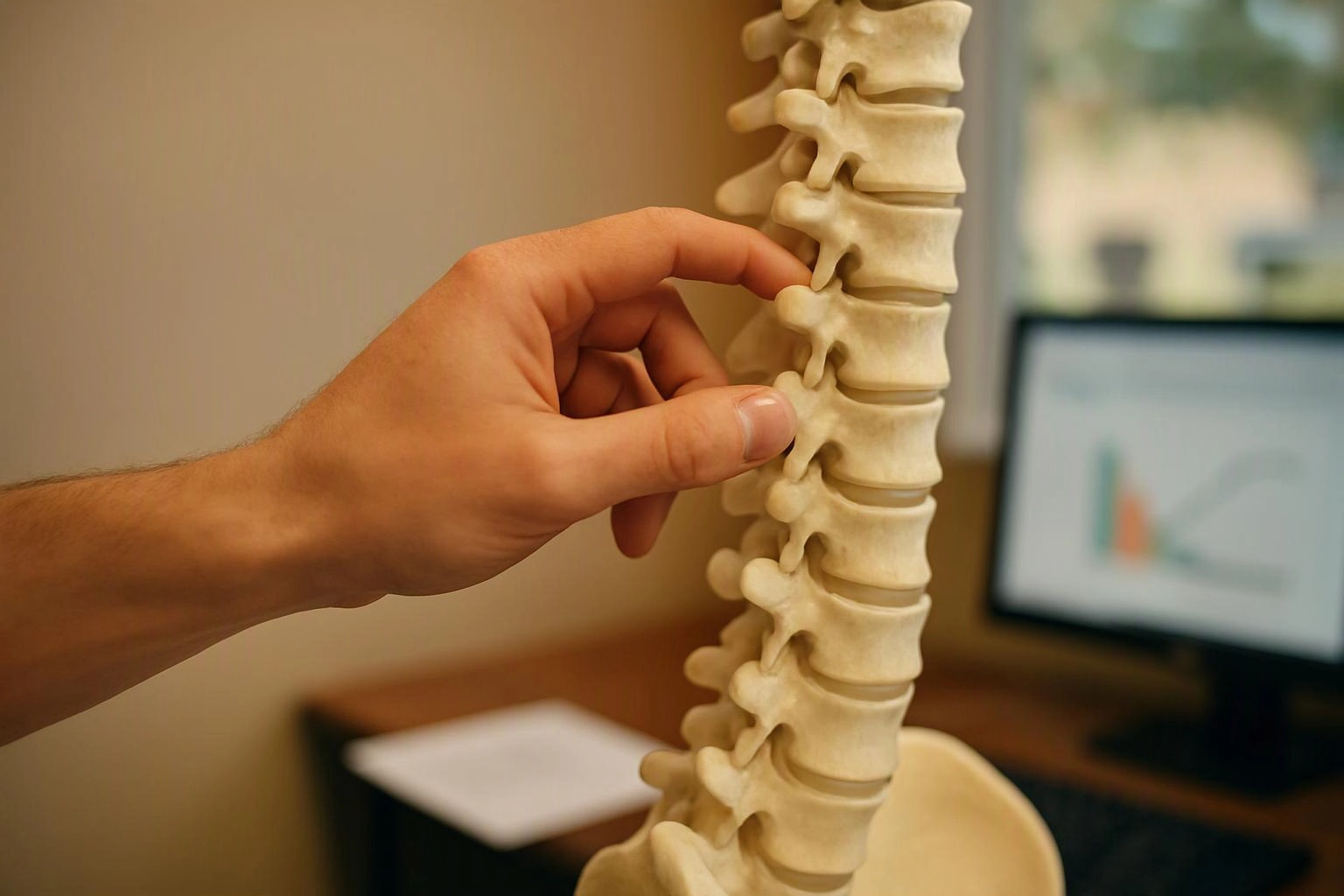
When we assess biomechanics, we watch how a person moves during a relevant task and connect that observation with joint motion, muscle control, and balance. Our team uses those findings to guide Physical Therapy activities that match the person’s movement needs.
Biomechanics in Practice: A Real-World Example
A person with knee discomfort may shift weight toward one side while rising from a chair. In Physical Therapy, biomechanics helps describe that movement pattern and guide exercises that support controlled weight transfer.
Related Services
Related Terms
Gait Analysis
Gait Analysis is the systematic observation of how you walk or run. It examines foot placement…
Postural Assessment
Postural Assessment is a structured review of body alignment and movement in standing, sitting, and other…
Range of Motion
Range of Motion is the available movement at a joint, measured through a specific direction or…
Core Stability
Core Stability is the ability to control and coordinate the muscles around the trunk, pelvis, and…
Arrowhead Clinic Chiropractor Hinesville
Have Questions About Biomechanics?
Contact Arrowhead Clinic Chiropractor Hinesville for practical guidance on Biomechanics and related chiropractor work in Hinesville.