
What Is Postural Assessment?
Postural Assessment is a structured review of body alignment and movement in standing, sitting, and other positions. A practitioner observes the head, shoulders, spine, pelvis, and limbs for patterns that may affect balance or movement. The review may include movement checks and a discussion of symptoms, daily activities, and physical demands.
Quick Facts About Postural Assessment
Category
Movement and alignment assessment
Used for
Posture-focused care planning
Common confusion
Not a diagnosis or imaging test
Also called
Posture evaluation, Posture Assessment
Often discussed with
Posture Correction, Therapeutic Exercise
Key Takeaways About Postural Assessment
- It examines alignment during both stillness and movement.
- Findings help connect posture patterns with daily activities.
- It is not the same as a medical diagnosis or imaging study.
How Postural Assessment Works
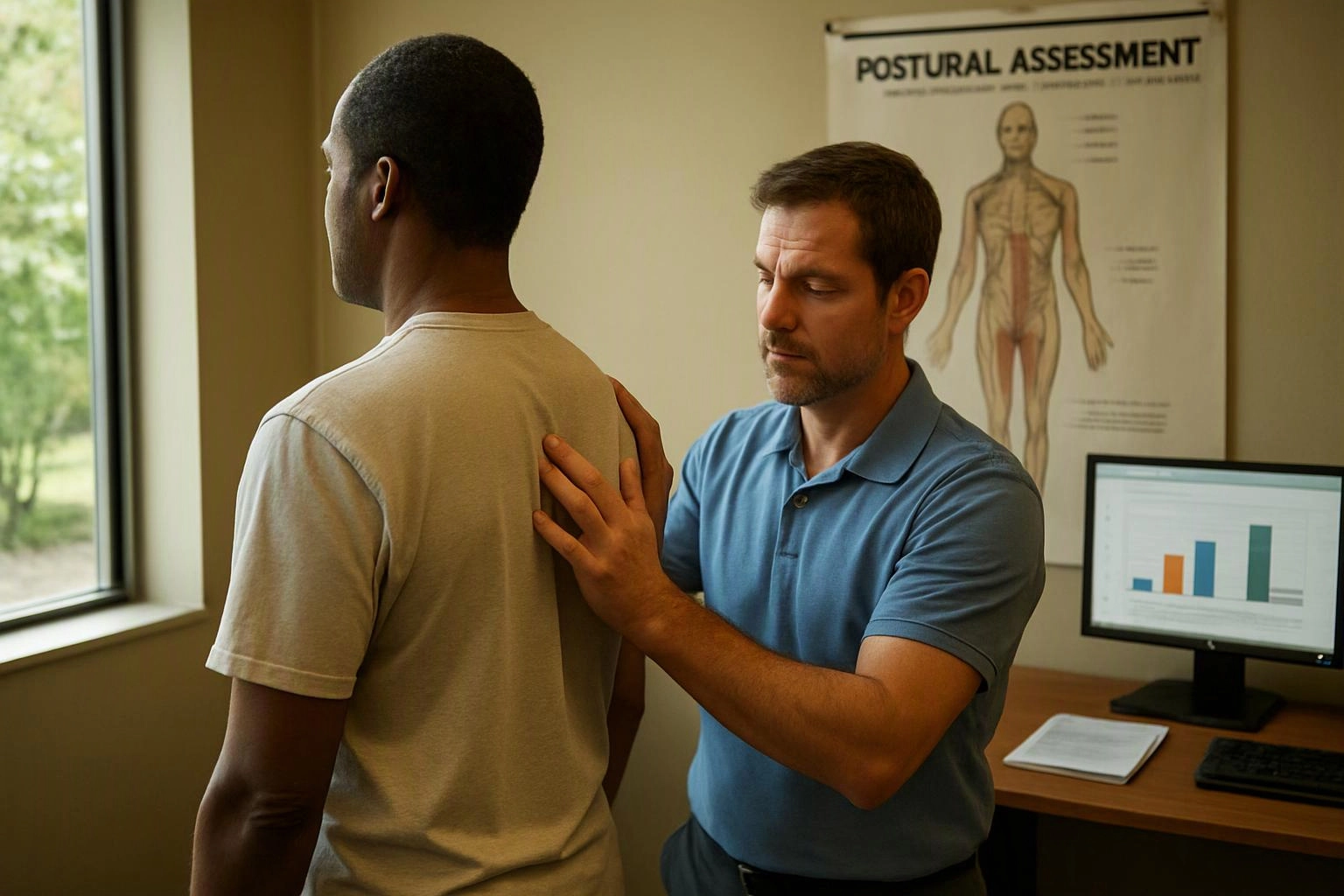
Postural Assessment begins with observation of how the body is positioned at rest. The practitioner may review the head, shoulders, spine, pelvis, knees, and feet from several views. The assessment considers whether one area appears to influence another area through alignment or movement.
Related glossary terms: Forward Head Posture, Anterior Pelvic Tilt, Pelvic Alignment.
Movement checks add practical context to the observations. You may be asked to walk, bend, turn, or change position while the practitioner watches control and symmetry. The findings can guide a posture correction plan that may include movement education, exercises, or chiropractic care. The assessment does not replace imaging or a medical examination when those services are appropriate.
From the Arrowhead Clinic Chiropractor Hinesville team
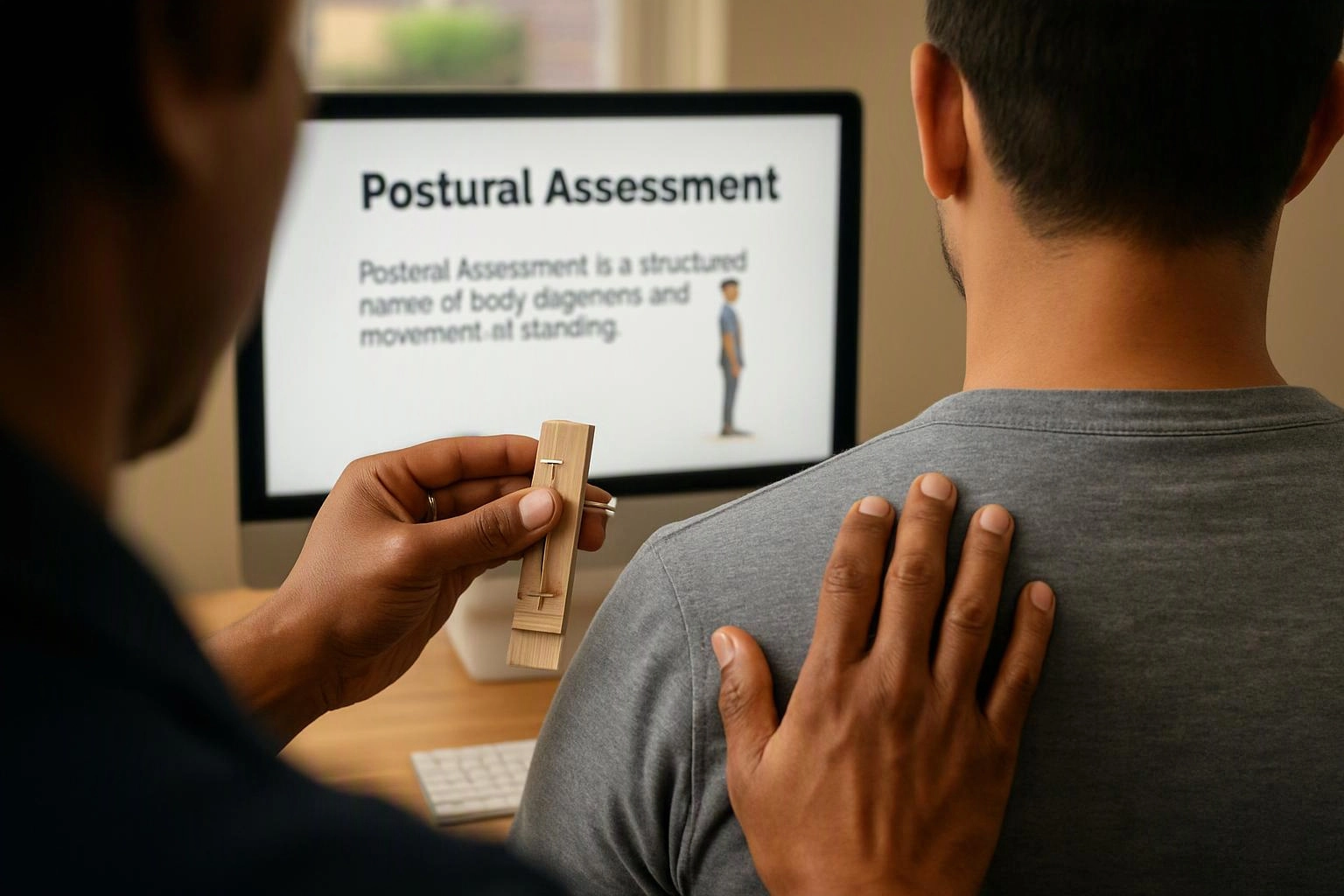
When we perform a Postural Assessment, we observe alignment at rest and during simple movements. We also ask about work demands, exercise habits, and positions that increase discomfort. Our team uses those observations to shape posture correction care around the person’s movement patterns and daily routines.
Postural Assessment in Practice: A Real-World Example
A person who spends much of the day at a desk may show a forward head position and uneven shoulder height during a Postural Assessment. The practitioner may check sitting habits and neck movement before selecting posture correction strategies.
Related Services
Related Terms
Forward Head Posture
Forward Head Posture is a postural pattern in which the head rests ahead of the shoulders…
Anterior Pelvic Tilt
Anterior Pelvic Tilt is a postural position in which the front of the pelvis rotates forward…
Pelvic Alignment
Pelvic Alignment is the relationship between the pelvis and nearby structures, including the lumbar spine, hips…
Range of Motion
Range of Motion is the available movement at a joint, measured through a specific direction or…
Arrowhead Clinic Chiropractor Hinesville
Have Questions About Postural Assessment?
Contact Arrowhead Clinic Chiropractor Hinesville for practical guidance on Postural Assessment and related chiropractor work in Hinesville.