Herniated Disc Symptoms and When to Ask About Decompression
Herniated disc symptoms may include back pain, radiating leg or arm pain, numbness, tingling, or weakness. Arrowhead Clinic Chiropractor Hinesville evaluates the symptom pattern and discusses whether spinal decompression therapy is appropriate for the individual presentation.
Request an EstimateWhat Is a Herniated Disc?
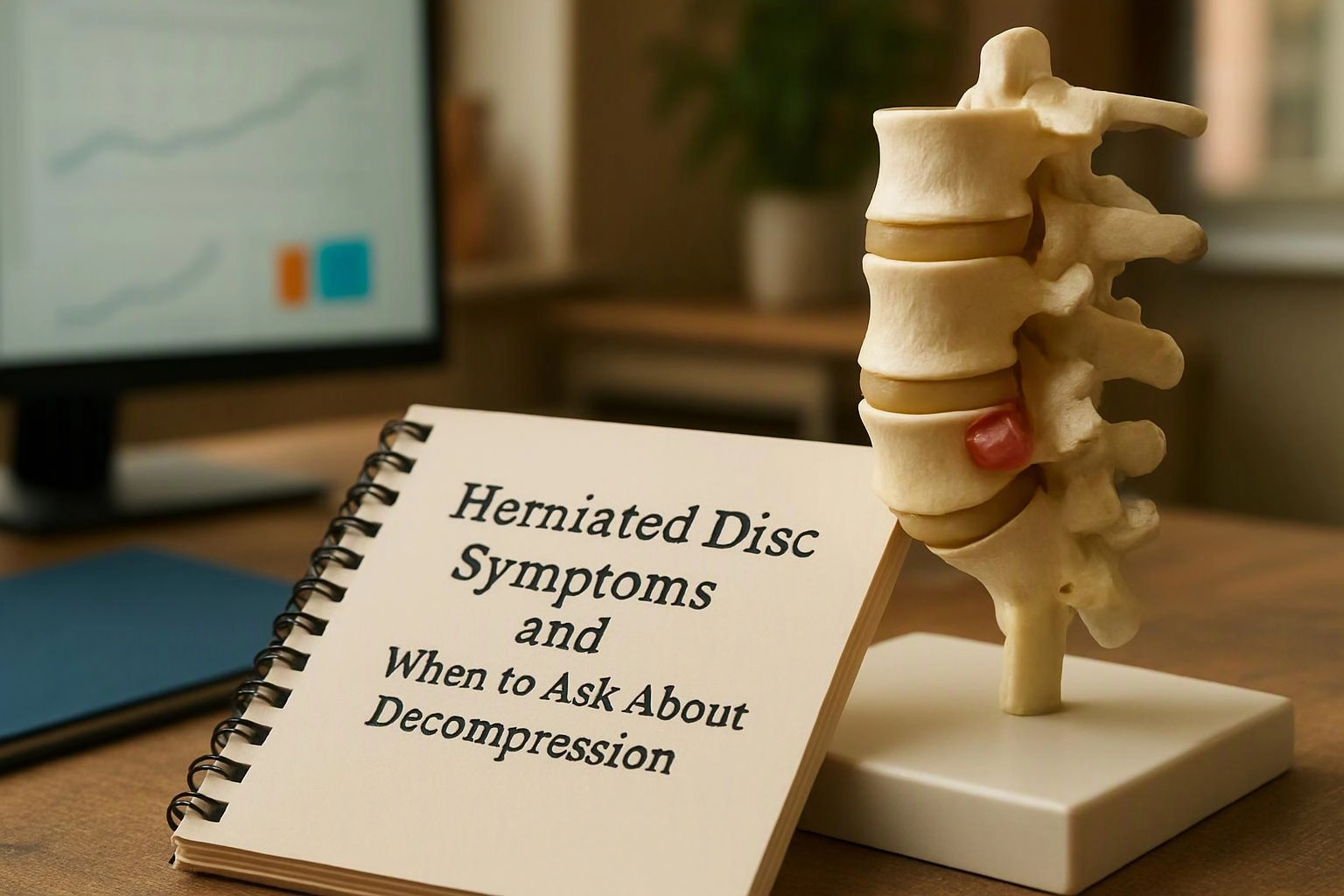
Herniated discs are spinal conditions that occur when the soft inner material of an intervertebral disc pushes through a damaged or weakened outer layer. An intervertebral disc sits between the bones of the spinal column and helps the spine handle movement and load.
A disc herniation can irritate a nearby nerve root. The location of the problem can affect whether symptoms appear in the back, neck, arm, or leg. Our team reviews these patterns during a chiropractic evaluation and considers whether further assessment is appropriate.
What Symptoms May Come From a Herniated Disc?
Herniated disc symptoms may include localized back or neck pain, radiating pain, numbness, tingling, and weakness when an affected disc irritates a nearby nerve.
Symptoms can vary based on the disc location and the amount of nerve irritation. Our team connects the symptom pattern with the physical examination before discussing treatment options.
Can a Herniated Disc Cause Sciatica?
Yes, a lumbar herniated disc can cause sciatica when disc material irritates or compresses a nerve root that contributes to the sciatic nerve.
The lumbar spine supports the lower back and connects with nerves that travel into the leg. Nerve compression in this area may produce leg pain, tingling, numbness, or weakness. We assess the pattern and location of symptoms to help determine whether the presentation may involve the sciatic nerve.
What Commonly Contributes to a Herniated Disc?
Disc herniation commonly develops from changes in the disc combined with stress placed on the spinal column. Our team asks about movement, work demands, injuries, and symptom onset when reviewing these factors.
How Can You Reduce Herniated Disc Risk?
Herniated disc risk may be reduced by supporting healthy movement, using sound body mechanics, and avoiding unnecessary strain. These steps cannot prevent every disc problem, but they can support better spinal care.
When Should You Ask About Spinal Decompression?
You should ask about spinal decompression when persistent or recurring back or neck symptoms include radiating pain, numbness, tingling, or weakness and an evaluation indicates that the approach may fit your condition.
Spinal decompression therapy is not a universal solution for every herniated disc. We review the symptom pattern, relevant health history, and examination findings before discussing whether it belongs in a treatment plan.
Who May Be a Candidate for Spinal Decompression?
People with symptoms associated with a herniated disc may be candidates for spinal decompression only after an individualized evaluation considers the diagnosis, symptom pattern, and relevant health history.
Arrowhead Clinic Chiropractor Hinesville reviews the clinical presentation before recommending an approach. Our team also considers whether other care, referral, or additional evaluation is more appropriate.
How We Evaluate Herniated Disc Symptoms
Arrowhead Clinic Chiropractor Hinesville evaluates herniated disc symptoms through a physical examination, a neurological assessment, and a review of the symptom pattern.
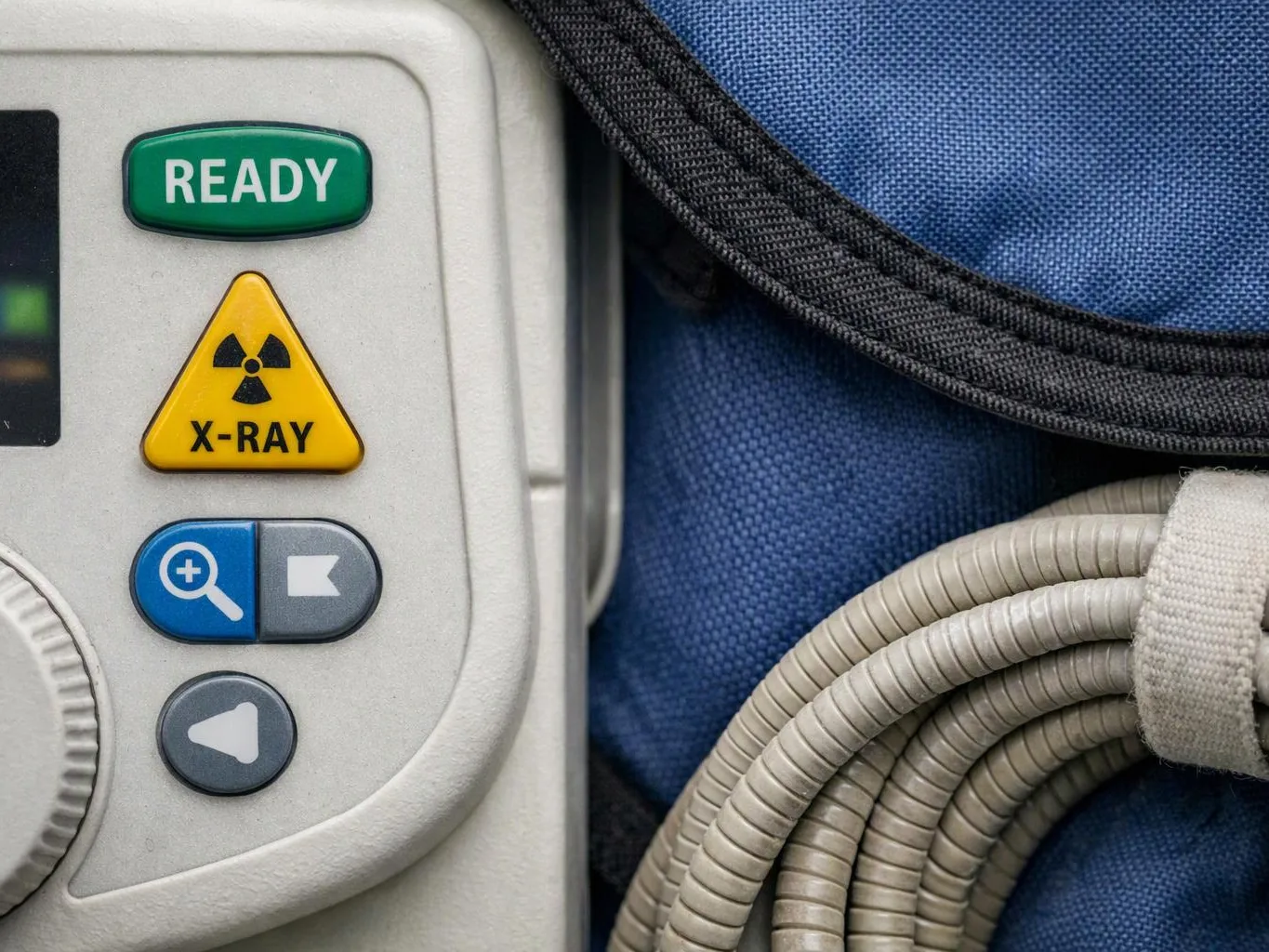
A neurological assessment helps us consider changes in sensation, reflexes, movement, and muscle strength. We may use X-ray imaging to review spinal alignment and the bony structures of the spine, although X-rays do not show every disc or nerve problem.
Our team uses the findings to discuss a treatment evaluation and possible next steps. Referral considerations may arise when symptoms or examination findings call for medical assessment beyond chiropractic care.
What Should You Ask Before Herniated Disc Treatment?
Before starting herniated disc treatment, ask how the findings relate to your symptoms and what the proposed care is intended to address. Clear questions can help you understand the plan and its safety considerations.
When Do Herniated Disc Symptoms Need Prompt Medical Attention?
Herniated disc symptoms need emergency evaluation when they include progressive weakness, loss of bladder control, loss of bowel control, or saddle numbness.
These emergency warning signs may indicate serious nerve involvement. Seek prompt medical attention when they occur, rather than waiting for a routine treatment evaluation. Our team can help explain the appropriate next step when symptoms do not appear to be an emergency.
How Do You Start a Herniated Disc Evaluation?
You can start by contacting Arrowhead Clinic Chiropractor Hinesville for a free consultation so our team can review your symptoms and discuss appropriate evaluation and treatment options.
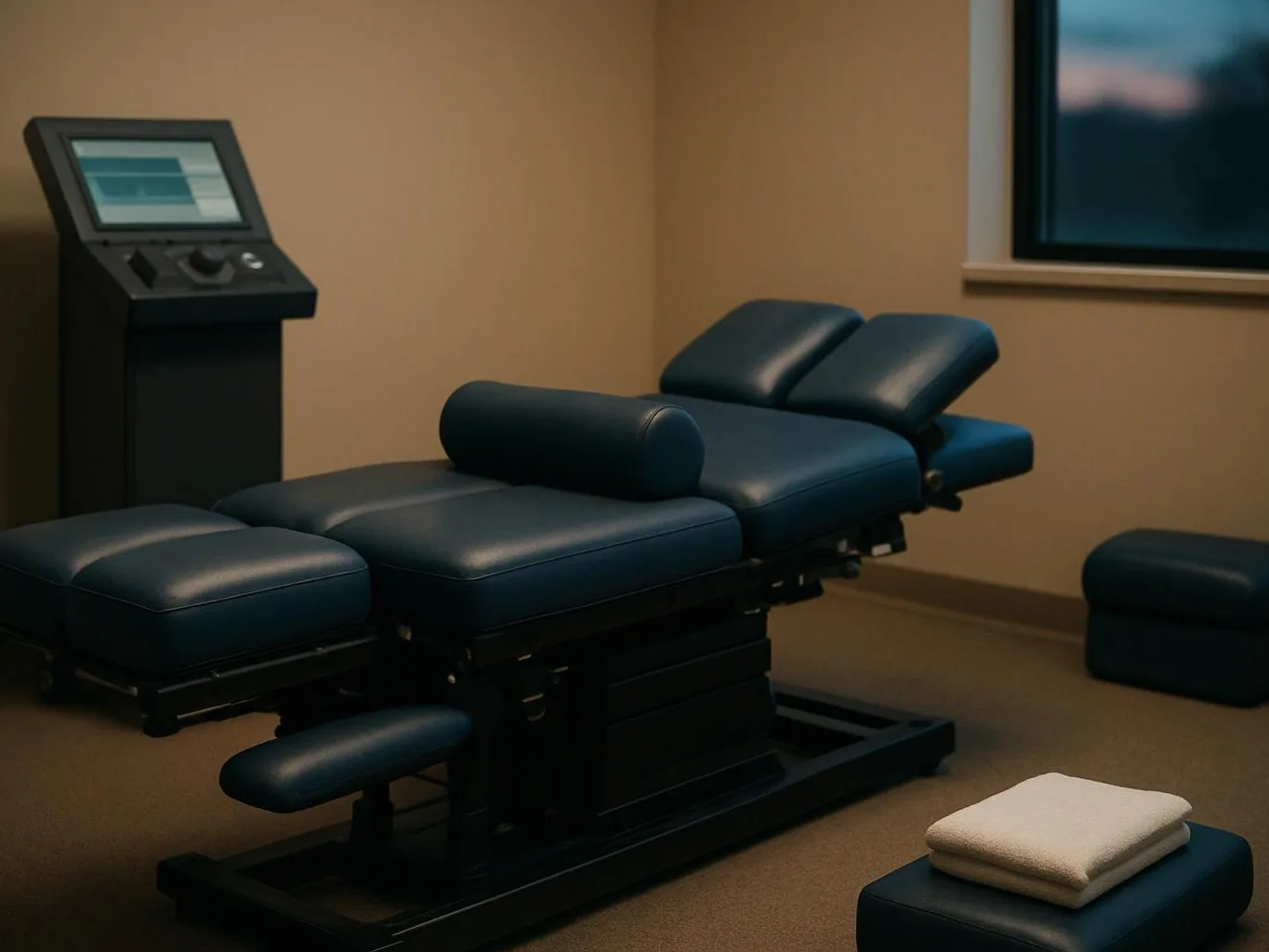
We can discuss Herniated Disc Treatment, Spinal Decompression Therapy, and X-ray Imaging as they relate to your presentation. The evaluation helps connect your symptoms with reasonable treatment goals and possible alternatives.
Contact our team to begin the conversation about your symptoms.
Questions About Herniated Disc Symptoms and Decompression
Is spinal decompression appropriate for every herniated disc?
No, spinal decompression is not appropriate for every herniated disc. Arrowhead Clinic Chiropractor Hinesville reviews the diagnosis, symptom pattern, examination findings, and health history before discussing whether this approach fits.
Can a herniated disc cause numbness and tingling?
Yes, a herniated disc can cause numbness and tingling when disc material irritates or compresses a nearby nerve root. The location of those sensations can help guide the evaluation.
What does an X-ray show when evaluating back pain?
X-ray imaging shows bones, joint spaces, and aspects of spinal alignment. X-rays do not show every disc or nerve problem, so we interpret imaging alongside the physical examination and neurological assessment.
Should you stop activity when a herniated disc causes pain?
No, stopping all activity is not always necessary when a herniated disc causes pain. Avoid movements that sharply worsen symptoms, and discuss safe activity choices with our team during an evaluation.