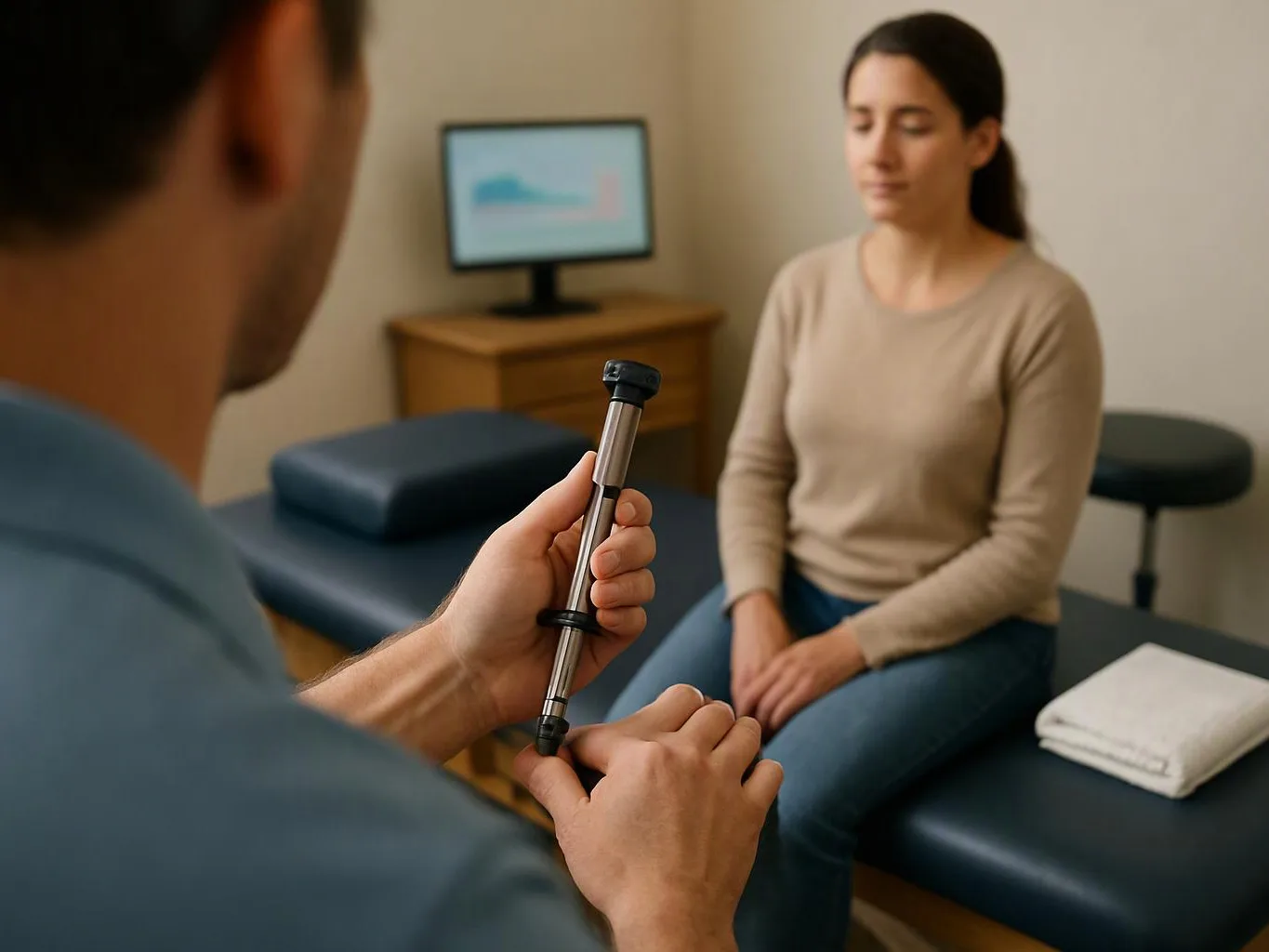
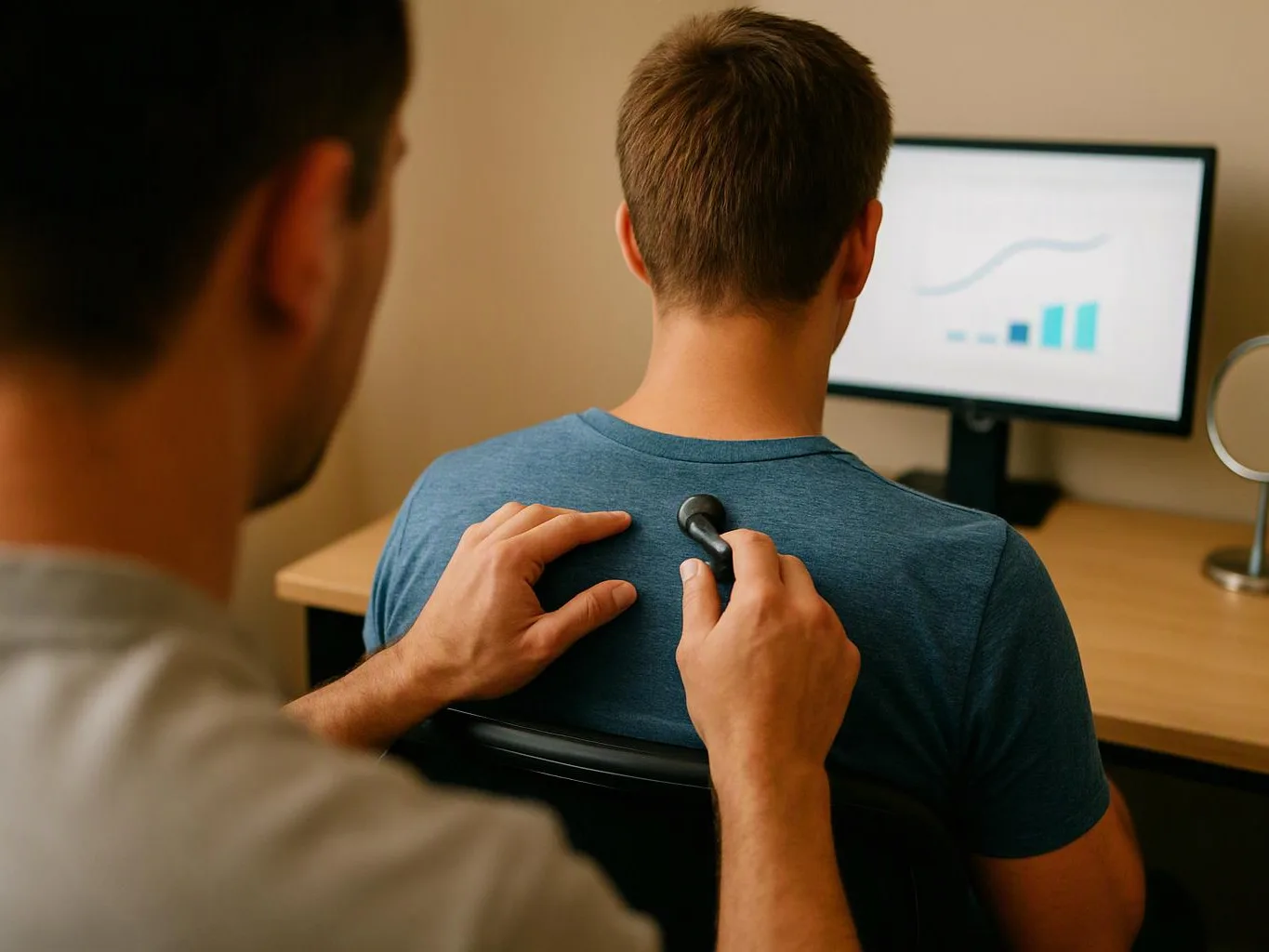
Spinal Decompression Therapy: How It Works and What to Ask
Spinal decompression therapy uses controlled unloading to reduce spinal pressure for selected conditions, and Arrowhead Clinic Chiropractor Hinesville explains what we assess, how treatment works, and which questions to ask before care.
Request an Estimate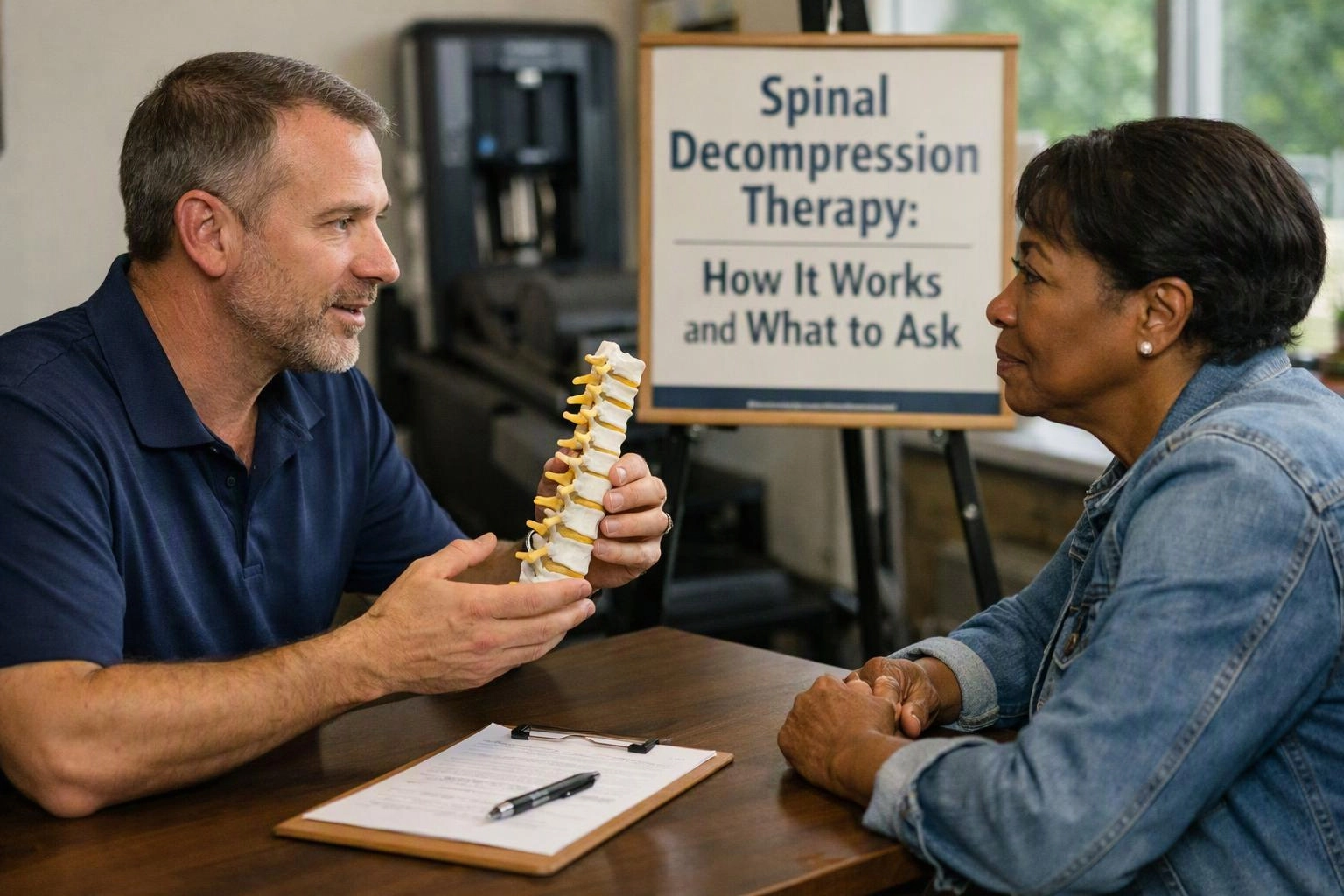
What Is Spinal Decompression Therapy?
Spinal decompression therapy is a non-surgical treatment that uses controlled changes in spinal loading to address selected sources of back or neck discomfort.
Spinal traction applies a carefully managed pulling force to selected spinal segments. This controlled spinal unloading may reduce stress around an intervertebral disc and nearby spinal nerves.
Our team first considers the symptom pattern, affected area, and health history. We use that treatment assessment to decide whether decompression treatment fits the person’s needs.
How Does Spinal Decompression Therapy Work?
Spinal decompression therapy works by positioning the patient and applying controlled, intermittent spinal unloading based on the area and condition being assessed.
Patient positioning helps direct the mechanical traction toward the area being assessed. Our team explains each step so the patient can communicate clearly throughout care.
When Might Decompression and Herniated Disc Treatment Work Together?
Spinal decompression therapy and Herniated Disc Treatment may work together when disc-related symptoms are part of the patient’s overall condition. Our team uses the clinical findings to decide whether both approaches belong in the treatment plan.
Herniated Disc Treatment does not follow one fixed pattern for every person. We match care to the suspected source of symptoms, patient safety screening, and treatment response.
How Do These Treatments Fit Together?
Clinical assessment connects Herniated Disc Treatment with spinal decompression therapy by identifying the patient’s symptoms, risks, and treatment goals first.
We explain what the recommended care includes before treatment begins. To obtain an exact quote, contact our team so we can review the treatment assessment and planned services.
Is Spinal Decompression Therapy Safe?
Spinal decompression therapy may be appropriate when our team determines that the treatment fits the patient’s condition and health history.
Treatment screening includes a review of medical history, current symptoms, prior care, and possible contraindications. We also consider warning signs that may require medical evaluation before non-surgical musculoskeletal treatment.
Patient communication remains important during care. We ask about comfort and treatment response so we can adjust patient positioning or stop treatment when the response does not fit the plan.
How Is a Decompression Table Different From a Traction Table?
A spinal decompression table is designed for controlled, often intermittent unloading, while a traction table may apply a more general pulling force depending on its design and use.
| Feature | Spinal decompression table | Traction table |
|---|---|---|
| Force pattern | Often uses controlled, intermittent unloading. | May use continuous or general traction based on its design. |
| Positioning | May allow positioning for a selected spinal area. | May provide broader positioning for mechanical traction. |
| Treatment goals | Supports a plan focused on controlled spinal unloading. | Supports traction-based care selected for the patient’s findings. |
The table name alone does not determine whether care is suitable. We select the equipment and settings after reviewing the patient’s symptoms and treatment goals.
Can Spinal Decompression Help Sciatica?
Yes, spinal decompression therapy may help some people with sciatica when spinal or disc-related irritation contributes to sciatic nerve symptoms.
Sciatica involves symptoms that may travel along the sciatic nerve, including radiating leg pain, tingling, or discomfort. Nerve compression can have several causes, so treatment suitability depends on the examination and symptom pattern.
Our team assesses whether lumbar decompression fits the suspected source of the symptoms. We may include Sciatica Treatment in a broader plan when the findings support that approach.
What Should You Ask Before Starting Treatment?
Before starting spinal decompression therapy, ask how the diagnosis, safety screening, and treatment plan relate to your symptoms.
Bring relevant medical history, imaging reports, and a clear description of your symptoms when available. We use that information to make the consultation more focused.
How We Evaluate Your Treatment Options
Arrowhead Clinic Chiropractor Hinesville evaluates treatment options through patient history, physical examination, symptom pattern, and treatment goals.
Our team considers how symptoms began, where they travel, and which movements affect them. We also review relevant medical history and complete patient safety screening before recommending care.
Spinal decompression therapy may be one part of a conservative treatment plan. We explain the reasoning behind the recommendation and monitor the patient’s response as care continues.
To discuss your options, contact Arrowhead Clinic Chiropractor Hinesville through our contact page.
Questions About Spinal Decompression Therapy
What conditions may make spinal decompression unsuitable?
Arrowhead Clinic Chiropractor Hinesville may find spinal decompression unsuitable when the patient’s medical history, symptoms, or contraindications do not support controlled spinal unloading. We complete safety screening and explain the next appropriate step based on the findings.
What information should I bring to a spinal decompression consultation?
Bring your symptom history, current medical information, prior treatment details, and relevant imaging reports when available. Clear information about pain location, radiating symptoms, and movement changes helps our team complete the treatment assessment.
Can spinal decompression be used with other chiropractic treatments?
Yes, spinal decompression may be used with other chiropractic treatments when the clinical assessment supports combining them. We coordinate the treatment plan around the patient’s symptoms, safety screening, and treatment goals.